





What's Happening?
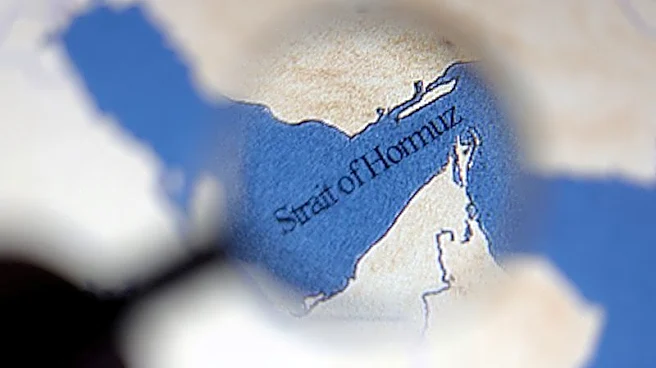
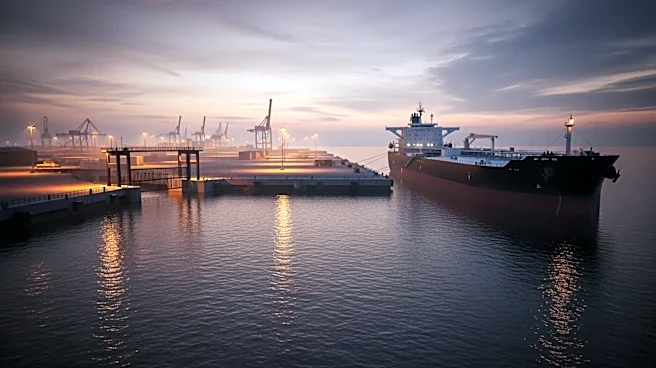
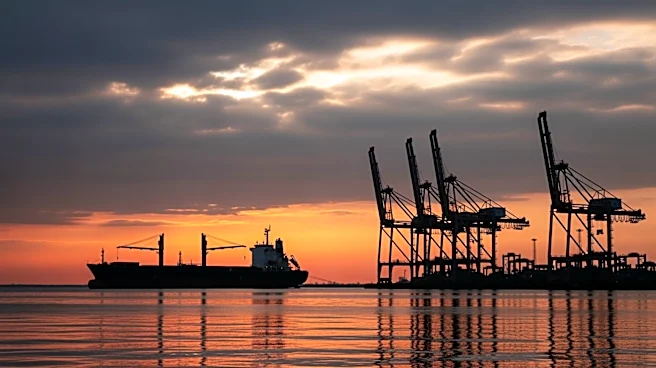
The U.S. has implemented a blockade on Iranian ports, significantly affecting oil tanker traffic in the Strait of Hormuz. This strategic move comes as peace negotiations are underway, aiming to address ongoing geopolitical tensions. The blockade prevents
oil tankers from reaching Iranian ports, potentially disrupting global oil supply chains. Jean-Charles Gordon, a shipping expert from Kpler, discussed the implications of this blockade on international shipping, highlighting the challenges faced by the maritime industry in navigating these restrictions. The blockade is part of a broader U.S. strategy to exert economic pressure on Iran while maintaining open channels for diplomatic resolution.
Why It's Important?
The blockade's impact on oil tanker traffic underscores the strategic importance of the Strait of Hormuz as a critical passage for global energy supplies. By restricting access to Iranian ports, the U.S. aims to limit Iran's economic capabilities and influence in the region. This move could lead to fluctuations in global oil prices, affecting economies worldwide. The blockade also highlights the delicate balance between exerting economic pressure and pursuing diplomatic solutions. For the U.S., this action is a demonstration of its commitment to addressing regional security concerns while navigating complex international relations.
What's Next?
As peace negotiations continue, the international community will be closely watching for any developments that could lead to a resolution of the blockade. Shipping companies and global markets will need to adapt to potential changes in trade routes and supply chains. The U.S. may face diplomatic pressure to ease restrictions, especially from countries dependent on Middle Eastern oil. The outcome of the negotiations could influence future U.S. foreign policy and its approach to regional conflicts.