




What's Happening?
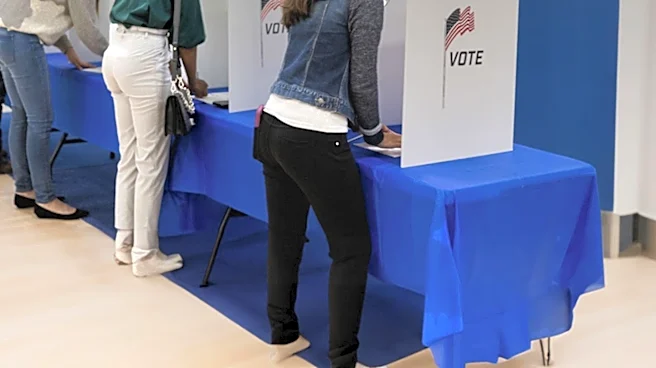
A federal court has denied the Republican National Committee's (RNC) request for access to New Jersey's voter roll maintenance records. The decision was made by Judge Georgette Castner of the US District Court for the District of New Jersey. The RNC sought
these records under the National Voter Registration Act (NVRA), claiming they were necessary for their 'election integrity' efforts. However, the court ruled that the RNC did not have the standing required to bring the case. Judge Castner noted that the RNC failed to demonstrate how obtaining these records would further the NVRA's goal of enhancing voter participation. The court also highlighted that the RNC did not provide concrete plans for using the records to increase voter participation, nor did it show how the lack of access impaired its efforts. This ruling follows a broader trend where similar claims by conservative groups have been dismissed.
Why It's Important?
This ruling is significant as it underscores the legal challenges faced by political organizations in accessing voter roll data under the guise of election integrity. The decision highlights the stringent requirements for standing in cases involving the NVRA, potentially setting a precedent for future cases. For the RNC and similar groups, this decision may limit their ability to scrutinize voter rolls, which they argue is necessary to prevent voter fraud. However, opponents argue that such efforts could lead to voter suppression. The ruling may also influence how states handle public records requests related to voter rolls, balancing transparency with privacy and security concerns.
What's Next?
The RNC may consider appealing the decision, seeking a higher court's interpretation of the NVRA's provisions. Alternatively, they might attempt to refine their legal strategy to meet the standing requirements outlined by the court. This case could prompt other states to review their policies on voter roll data disclosure, potentially leading to legislative changes. Political and civil rights groups will likely continue to monitor these developments closely, as they could impact voter access and election integrity debates nationwide.