






What's Happening?
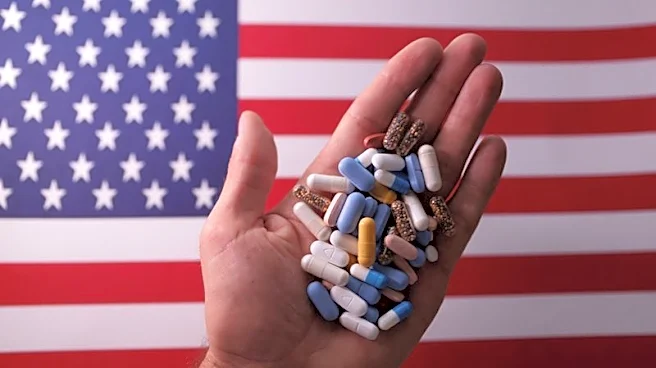
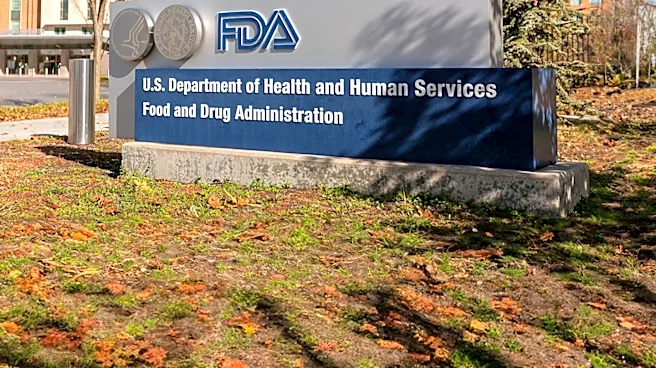
U.S. Health and Human Services (HHS) Secretary Robert F. Kennedy Jr. has unilaterally implemented a new policy allowing specialty pharmacies to sell six specific peptide drugs, overriding the Food and Drug Administration's (FDA) previous stance. The rule,
titled 'Enforcement Discretion Policy Regarding 503A Compounding Using Certain Peptide Bulk Drug Substances,' was published in the Federal Register with a final publication date set for October 30. This policy does not alter the regulatory status of the peptides but rather states that HHS will no longer take enforcement action against compounding pharmacies for producing and selling them. The six peptides are BPC-157, Epitalon, KPV, MOTS-c, Semax, and TB-500. FDA scientists have consistently maintained that there is insufficient evidence to prove the efficacy and safety of these peptides, leading to their removal in 2023 from a list of drugs compounding pharmacies could make. Secretary Kennedy, a self-proclaimed 'big fan' who uses some of these peptides, has cited a 'lack of availability of approved products' and a desire to prevent sourcing from unsafe black markets as reasons for this decision.
Why It's Important?
This decision by HHS Secretary Kennedy has significant implications for drug regulation, public health, and the pharmaceutical industry in the U.S. It bypasses established FDA scientific review processes, potentially setting a precedent for political intervention in drug approvals and enforcement. Critics, including the Centre for Science in the Public Interest (CSPI), argue that this move threatens the integrity of the FDA's drug approval process and exposes the public to unproven and potentially dangerous substances. The policy could lead to widespread confusion among consumers who might mistakenly believe these compounded medicines have undergone rigorous FDA testing. For compounding pharmacies, this offers a new, less regulated market opportunity, while traditional pharmaceutical companies that adhere to strict FDA approval pathways may face an uneven playing field. The controversy also highlights the ongoing debate about the balance between patient access to treatments and the need for robust scientific validation and safety oversight.
What's Next?
The 'Enforcement Discretion Policy' is set for final publication on October 30, after which compounding pharmacies will effectively have a green light to produce and sell the six specified peptides without fear of federal enforcement action. This could lead to an increase in the availability and use of these peptides across the U.S. It is anticipated that consumer advocacy groups, such as the CSPI, and potentially some medical organizations, will continue to voice strong opposition and may explore legal challenges or push for legislative action to reassert the FDA's authority. The FDA itself may face internal and external pressure to respond to this perceived undermining of its regulatory role. The long-term consequences will depend on the safety and efficacy outcomes observed from the increased use of these peptides, which could either validate or further challenge Secretary Kennedy's decision. The situation may also prompt a broader review of the powers of the HHS Secretary in relation to the FDA's scientific and regulatory independence.
Beyond the Headlines
The controversy surrounding the peptide policy extends beyond immediate health and regulatory concerns, touching upon deeper ethical and cultural dimensions within the U.S. healthcare landscape. Secretary Kennedy's personal endorsement and use of these peptides, coupled with his 'Make America Health Again' movement, reflect a growing distrust in traditional medical institutions and a preference for alternative, often unproven, treatments. This move could embolden other figures to challenge established scientific consensus and regulatory bodies, potentially fragmenting public health messaging and increasing health disparities. The overhaul of the FDA's Pharmacy Compounding Advisory Committee (PCAC) to include members with ties to the peptide industry raises questions about conflicts of interest and the politicization of scientific advisory panels. This situation underscores a broader societal tension between individual health freedom and collective public health protection, where the desire for quick fixes or 'natural' remedies can clash with evidence-based medicine and rigorous safety standards. The long-term impact could be a further erosion of public trust in federal health agencies and a more permissive environment for unproven medical interventions.