





What's Happening?
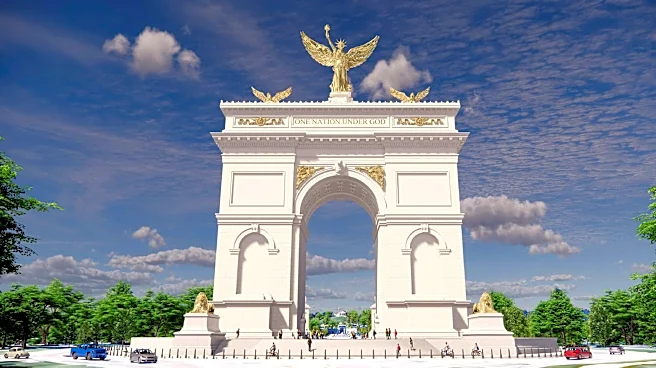
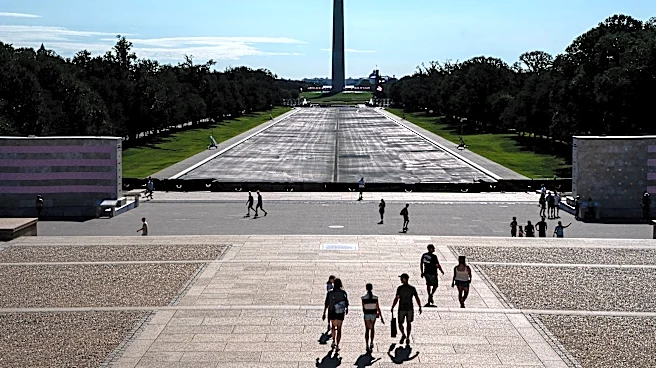
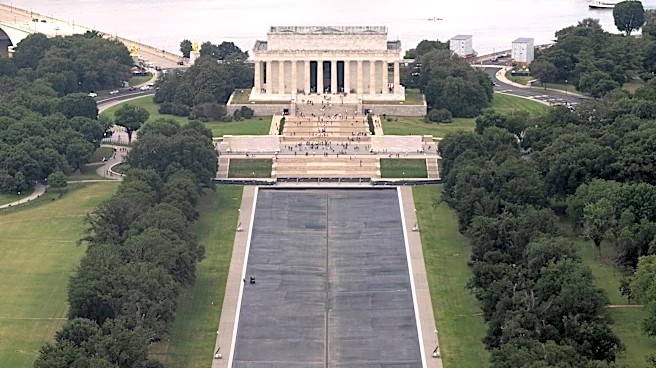
President Trump's proposed 250-foot memorial arch in Washington, D.C., has raised concerns about its impact on the historical significance of nearby sites. According to a National Park Service assessment, the arch could disrupt the visual and spatial
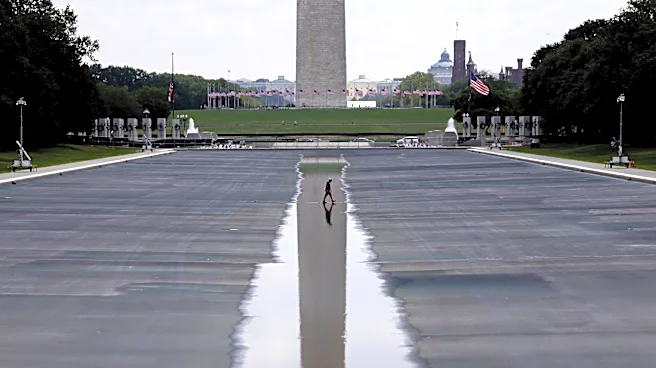
relationships between key historical landmarks, including the Lincoln Memorial and Arlington House. The project, which has received initial approval, is part of Trump's efforts to leave a lasting legacy in the capital. However, it faces opposition from historians and veterans who argue it requires Congressional approval.
Why It's Important?
The proposed arch highlights the tension between modern development and historical preservation in Washington, D.C. The project could alter the city's iconic landscape and affect the symbolic connections between historical sites. This situation raises questions about the balance between honoring contemporary figures and preserving historical integrity. The controversy also reflects broader debates about the role of monuments in public spaces and the processes for approving such projects.
What's Next?
The project will undergo further review by planning commissions, with potential legal challenges from opponents. The outcome could set precedents for future developments in historically significant areas. Public and political reactions may influence the project's progress and shape discussions on historical preservation policies. The situation may also prompt broader debates about the role of monuments in reflecting national identity and values.
Beyond the Headlines
The proposed arch raises deeper questions about the cultural and historical narratives represented in public monuments. It highlights the complexities of commemorating contemporary figures and the potential for monuments to become sites of contestation. The situation underscores the importance of inclusive and transparent decision-making processes in public space development.