



What's Happening?
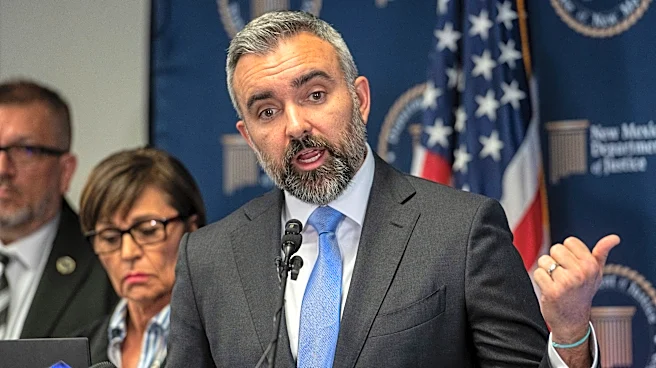
The U.S. Department of Justice (DoJ) has missed a deadline set by New Mexico Attorney General Raúl Torrez to provide unredacted files related to Jeffrey Epstein's activities at Zorro Ranch. Torrez reopened a criminal investigation into the ranch, seeking
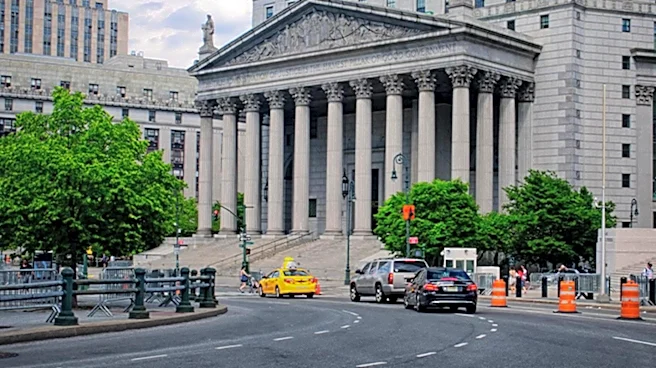
documents from the DoJ and the Southern District of New York (SDNY), which led the original Epstein investigation. Despite promises of cooperation, only 31 heavily redacted pages were provided, prompting Torrez to consider legal action. The files are crucial for identifying co-conspirators and corroborating evidence in the ongoing investigation into Epstein's alleged abuse of girls at the ranch.
Why It's Important?
The delay in accessing these documents hampers efforts to deliver justice to survivors of Epstein's alleged crimes. The situation underscores challenges in inter-agency cooperation and transparency, particularly in high-profile cases involving powerful individuals. The outcome of this standoff could impact public trust in the justice system and influence future handling of similar cases. Additionally, it raises questions about the protection of sensitive information and the balance between privacy and accountability in legal proceedings.
What's Next?
Attorney General Torrez has indicated he may pursue legal remedies to obtain the necessary documents. This could involve filing a lawsuit against the DoJ to compel the release of unredacted files. The situation may also attract attention from lawmakers and advocacy groups, potentially leading to calls for greater oversight of federal investigations. The resolution of this issue will be closely watched, as it could set a precedent for how sensitive information is managed in criminal investigations involving high-profile figures.