
What's Happening?
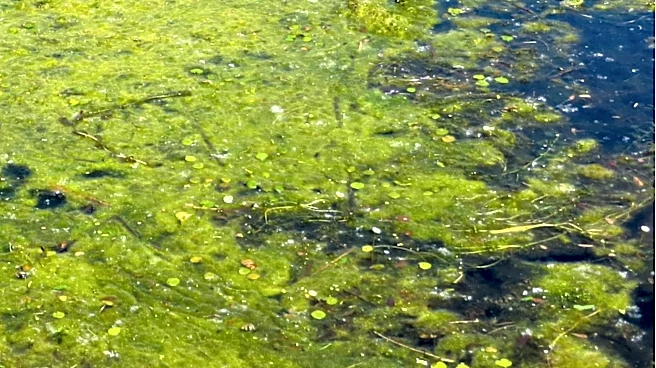
Untreated sewage flowing from the Gaza Strip, due to its heavily damaged wastewater infrastructure, may have contributed to a massive and 'extremely rare' algae bloom that has forced the shutdown of five
of Israel's six major desalination plants on the Mediterranean coast. Israeli news outlet Ynet reported that scientists are actively investigating the environmental fallout from Gaza's compromised sewage system, which is estimated to discharge approximately 40,000 cubic meters of untreated wastewater into the sea daily. This bloom has spread along Israel's coast, disrupting plants that supply at least 65 percent of the country's drinking water. While Israel's water authority has increased supplies from other sources to maintain stability, the incident has exposed the vulnerability of its desalination-dependent water supply to environmental disruptions. Scientists, including Avner Gross from Ben-Gurion University, suggest that the combination of warm Mediterranean waters, nutrient pollution (phosphorus and nitrogen) from sewage, and specific wind conditions created a 'perfect storm' for the bloom.
Why It's Important?
This environmental crisis highlights the severe cross-border implications of the ongoing conflict and humanitarian situation in Gaza. The destruction of critical infrastructure, such as wastewater treatment facilities, not only exacerbates the humanitarian crisis within Gaza but also poses significant environmental and public health risks to neighboring regions, including Israel. The shutdown of major desalination plants underscores Israel's reliance on this technology for its water security and reveals its susceptibility to ecological events, which can be triggered or worsened by regional instability. Economically, such disruptions can lead to increased operational costs for water management, potential water rationing, and broader economic impacts if prolonged. This event also serves as a stark reminder of the interconnectedness of environmental systems and the need for regional cooperation on infrastructure and environmental protection, even amidst political conflict, to prevent widespread ecological and societal consequences.
What's Next?
Scientists will continue to investigate the exact causes and contributing factors of the algae bloom, including the specific species of cyanobacterium responsible and the precise role of Gaza's untreated sewage. Efforts will likely focus on mitigating the immediate impact on Israel's water supply, potentially through alternative water sources and advanced filtration techniques at desalination plants. Long-term, this incident may prompt increased calls for international aid and cooperation to rebuild Gaza's wastewater infrastructure, not only for humanitarian reasons but also for regional environmental security. There could be diplomatic efforts to address the environmental consequences of the conflict, potentially leading to discussions on shared environmental responsibilities. Furthermore, as climate change continues to warm Mediterranean waters, similar events may become more frequent, necessitating more resilient water management strategies and greater regional collaboration on environmental monitoring and protection.
Beyond the Headlines
The algae bloom incident transcends immediate environmental concerns, revealing deeper ethical and political dimensions of the Israeli-Palestinian conflict. The destruction of Gaza's sewage system, a direct consequence of prolonged conflict, illustrates how humanitarian crises can spill over and impact adversaries through ecological pathways. This raises ethical questions about the long-term environmental damage inflicted during conflicts and the responsibility of all parties to protect civilian infrastructure and the shared environment. Politically, it underscores the challenge of addressing transboundary environmental issues in a highly contentious region, where cooperation is often hampered by deep-seated mistrust and conflict. The event could serve as a catalyst for greater international pressure to address the root causes of infrastructure collapse in Gaza, framing it not just as a humanitarian issue but as a regional environmental threat. It also highlights the broader implications of climate change, which, when combined with human-made environmental degradation, can create unprecedented ecological crises with far-reaching societal impacts.