





What's Happening?
Recent Israeli military actions in Gaza have intensified the region's ongoing water crisis. According to reports, Israeli forces have killed a water engineer and two drivers who were involved in transporting water to displaced families. These incidents
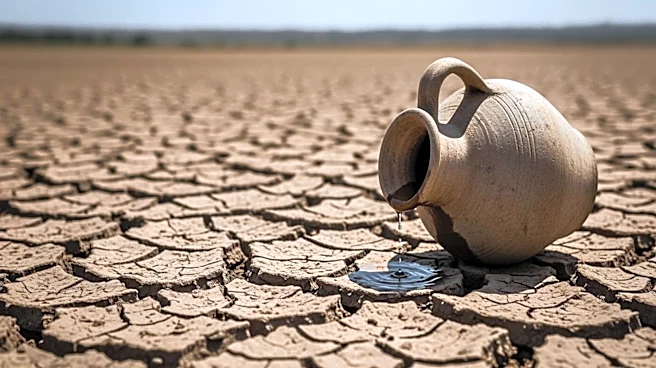
have further strained Gaza's already limited access to clean water, which is crucial for preventing disease. The United Nations recognizes access to clean water as a basic human right, yet the average daily supply in Gaza falls significantly short of the recommended standards. The scarcity of water, coupled with rising prices of hygiene products, has created a major crisis, affecting the health and sanitation of the population. Israeli authorities, however, deny imposing restrictions on the necessary equipment and fuel for water and sanitation systems, claiming that they provide clean water through multiple pipelines.
Why It's Important?
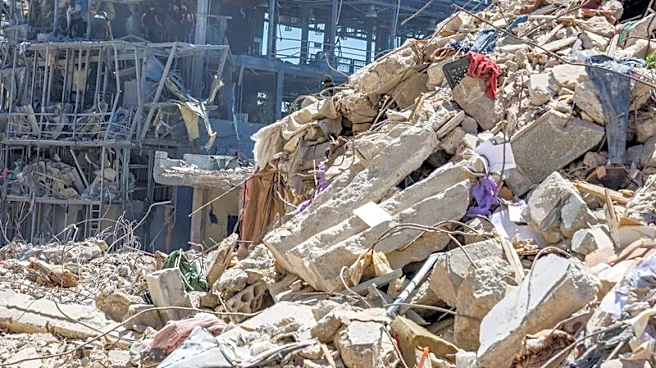
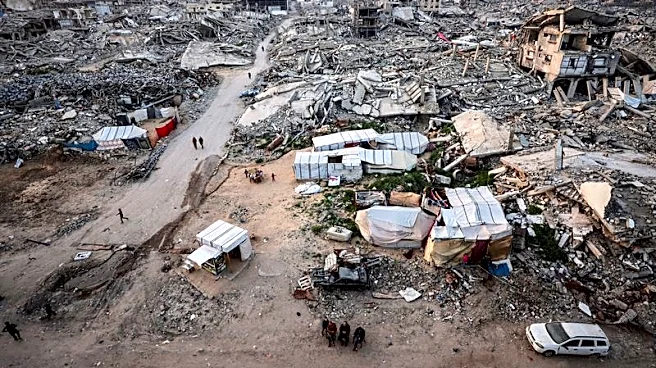
The water crisis in Gaza has significant humanitarian implications, as it affects the health and well-being of thousands of residents. The lack of clean water and sanitation facilities increases the risk of disease outbreaks, particularly in overcrowded shelters. This situation also highlights the broader geopolitical tensions in the region, as Israeli military actions and restrictions are seen as contributing factors to the crisis. The ongoing conflict and infrastructure damage have left Gaza's civilian population vulnerable, with limited access to essential resources. The international community's response to this crisis could influence future diplomatic relations and humanitarian aid efforts in the region.
What's Next?
The continuation of military actions and restrictions could further deteriorate the living conditions in Gaza, prompting international calls for intervention and aid. Humanitarian organizations may increase their efforts to provide relief, but their ability to operate effectively depends on the easing of restrictions and improved security conditions. The situation may also lead to increased diplomatic pressure on Israel to address the humanitarian needs in Gaza and facilitate the delivery of essential supplies. The resolution of this crisis will require coordinated efforts from multiple stakeholders, including international bodies, regional governments, and humanitarian organizations.
Beyond the Headlines
The water crisis in Gaza underscores the complex interplay between military conflict and humanitarian needs. It raises ethical questions about the responsibilities of occupying powers to ensure the welfare of civilian populations. The situation also highlights the long-term impact of infrastructure damage on public health and the environment. As climate change exacerbates water scarcity globally, the challenges faced by Gaza could serve as a warning for other regions at risk of similar crises. Addressing these issues requires a comprehensive approach that considers both immediate humanitarian needs and sustainable development goals.