



What's Happening?
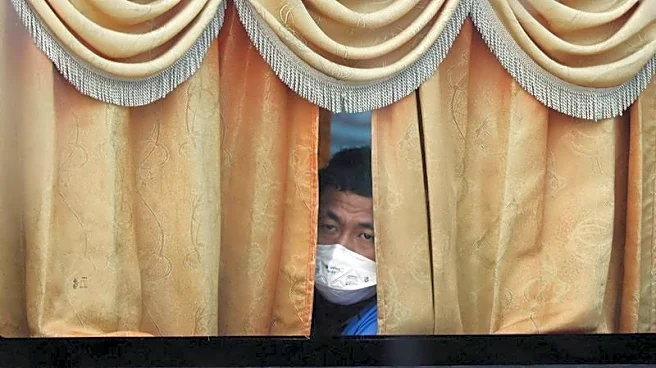
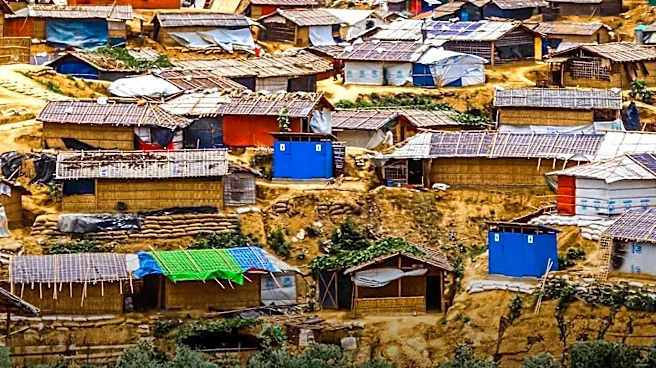
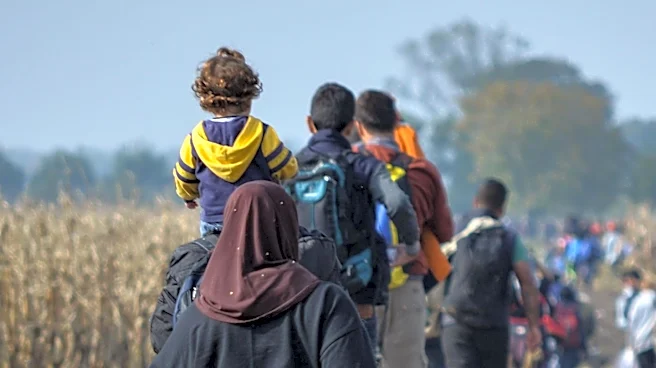
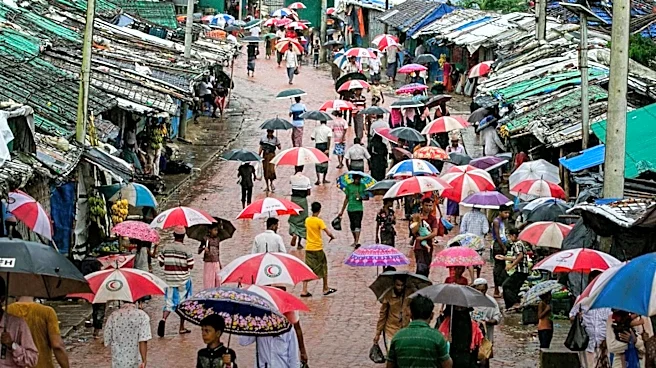
Myanmar refugees in Malaysia are enduring significant challenges due to Malaysia's status as a non-signatory to the 1951 Refugee Convention. This legal framework means that while refugees are permitted to remain in the country, they are not legally recognized,
lack pathways to citizenship or permanent residency, and face constant fear of arrest and exploitation. Many live without proper documentation, and a growing number of stateless children are born to refugee parents, unable to obtain nationality from either Myanmar or Malaysia. The 2021 coup in Myanmar exacerbated the situation, leading to a surge in arrivals, including civil servants, activists, and young people fleeing forced conscription. Community leaders report a severe mental health crisis among refugees, stemming from violence, dangerous journeys, detention risks, economic exploitation, and prolonged legal uncertainty, with mental health services largely collapsed due to funding cuts.
Why It's Important?
This situation highlights the critical humanitarian and human rights issues faced by refugees in countries that have not ratified international refugee conventions. The lack of legal status in Malaysia leaves Myanmar refugees vulnerable to exploitation, arbitrary detention, and a perpetual state of insecurity, impacting their ability to work legally, access healthcare, and integrate into society. The mental health crisis underscores the profound psychological toll of displacement and legal precarity, with community leaders overwhelmed and essential services unavailable. For the U.S. and international community, this situation raises concerns about regional stability, human rights, and the effectiveness of global refugee protection mechanisms. It also points to the need for greater international support for host countries and advocacy for the ratification of international conventions to ensure basic protections for refugees.
What's Next?
Without a change in Malaysia's legal stance on refugees or increased international intervention, the challenges faced by Myanmar refugees are likely to persist and potentially worsen. Community organizations will continue to struggle with limited resources to provide basic support and training, while the mental health crisis may deepen. There is a pressing need for international advocacy to encourage Malaysia to ratify the 1951 Refugee Convention or implement domestic policies that grant legal recognition and protection to refugees. Increased funding for humanitarian aid and mental health services for refugee communities in Malaysia is also crucial. The ongoing political instability and conflict in Myanmar will continue to drive displacement, further straining resources and exacerbating the humanitarian crisis in neighboring countries.
Beyond the Headlines
The plight of Myanmar refugees in Malaysia exposes the broader ethical and legal gaps in global refugee protection. It illustrates how the absence of formal legal status can strip individuals of their fundamental rights and dignity, creating a marginalized population living in constant fear. The emergence of a generation of stateless children highlights a looming crisis of identity and belonging, with long-term implications for social cohesion and human development. This situation also brings into focus the concept of 'durable solutions' for refugees, which, in the absence of repatriation or local integration, leaves many in a state of prolonged suspension. The emotional and psychological burden on community leaders, who are often refugees themselves, underscores the immense resilience required to navigate such challenging circumstances and the urgent need for comprehensive, rights-based approaches to refugee protection.