




What's Happening?
A small charter plane crashed near a remote military airport in Alaska, resulting in the deaths of all eight individuals aboard. The incident occurred on Thursday at the Cape Newenham Long Range Radar Site Airport, approximately 450 miles west of Anchorage.
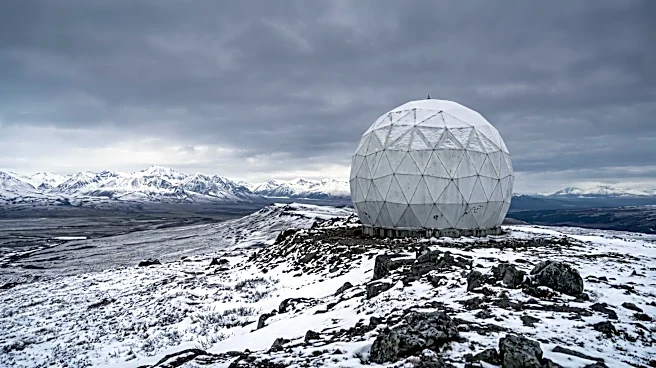
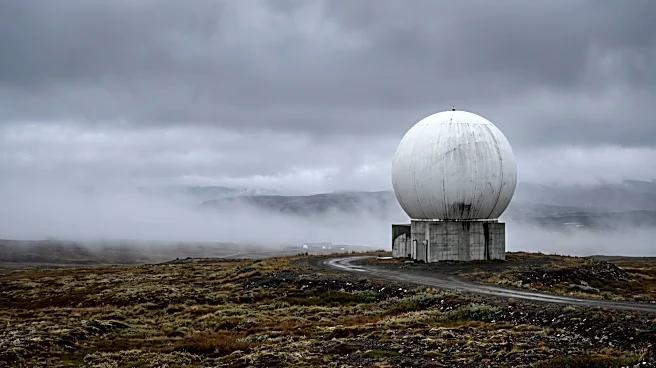
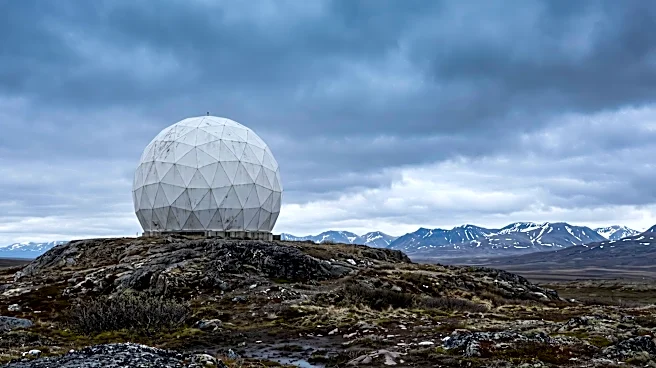
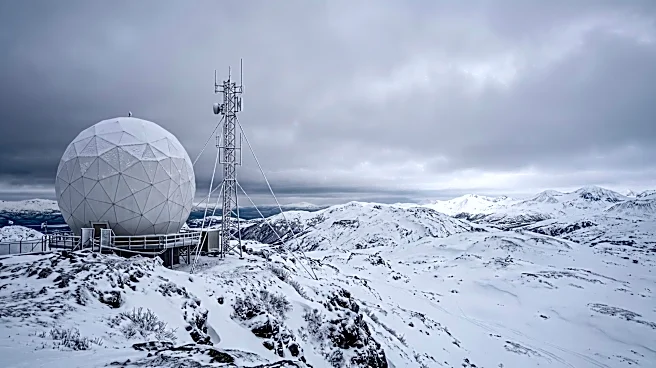
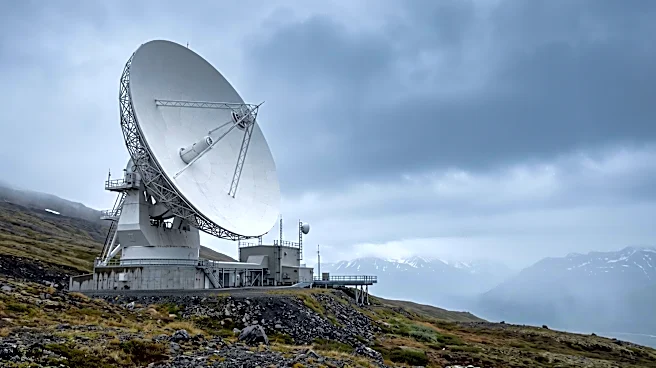
Federal investigators reported that the plane was on its second attempt to land in heavy fog, with pilots relying solely on instruments due to poor visibility. The two pilots and six passengers, including two U.S. Army Corps of Engineers employees, were not immediately identified. The radar site, originally built in the 1950s for early warning against missile attacks, now monitors airspace towards Russia, North Korea, and China. The Federal Aviation Administration recommends GPS and other instruments for landings at this gravel airstrip, which is situated on a mountain slope. Weather conditions at the time of the crash were characterized by heavy fog and significantly reduced visibility.
Why It's Important?
This tragic incident highlights the inherent dangers and demanding conditions faced by individuals operating in remote Alaskan environments, particularly those supporting critical national security infrastructure. The loss of two U.S. Army Corps of Engineers employees underscores the human cost associated with maintaining these vital defense systems. The Cape Newenham radar site plays a crucial role in U.S. national security by tracking aircraft in Alaskan airspace and along its borders, serving as a modern-day sentinel against potential threats. The crash also brings into focus the challenges of aviation in extreme weather, emphasizing the reliance on advanced instrumentation and pilot expertise in such conditions. The incident may prompt a review of safety protocols and operational procedures for flights to remote military installations, potentially impacting civilian contractors and military personnel involved in similar missions across the U.S.
What's Next?
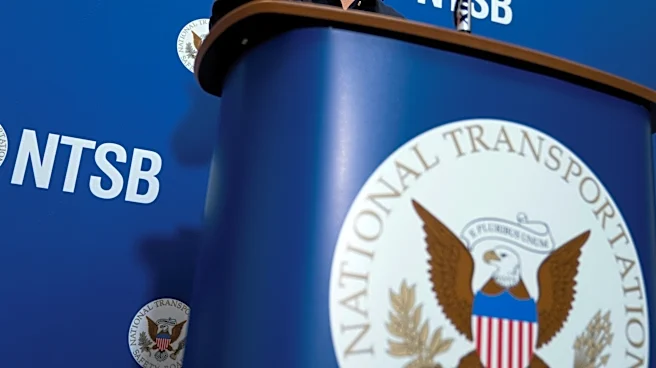
National Transportation Safety Board (NTSB) investigators are currently en route to the crash site to conduct a thorough investigation. Their inquiry will focus on determining the exact cause of the crash, including examining whether the pilots declared an emergency, the plane's flight path, and the precise weather conditions at the time. The NTSB will also likely review the operational history of Security Aviation, the Anchorage-based charter company that operated the civilian-contracted Cessna 441. The U.S. Army Corps of Engineers and the Alaskan Command are expected to provide further details regarding the identities of those killed once their families have been informed. The findings of the investigation could lead to updated safety recommendations or regulatory changes for flights to remote military sites, potentially affecting aviation practices in challenging environments.
Beyond the Headlines
The crash at Cape Newenham extends beyond a mere aviation accident, touching upon the broader implications of maintaining a robust defense posture in geographically challenging regions. The radar site, a relic of the Cold War, continues to serve a critical function in an evolving geopolitical landscape. The incident underscores the often-unseen risks taken by civilian contractors and military support personnel who are integral to national security operations. It also raises questions about the balance between operational necessity and safety in extreme environments, particularly as technology advances and remote sites remain crucial. The event may also spark discussions about the psychological toll on military families and communities when such tragedies occur, highlighting the sacrifices made by those who support the nation's defense infrastructure.