









What's Happening?
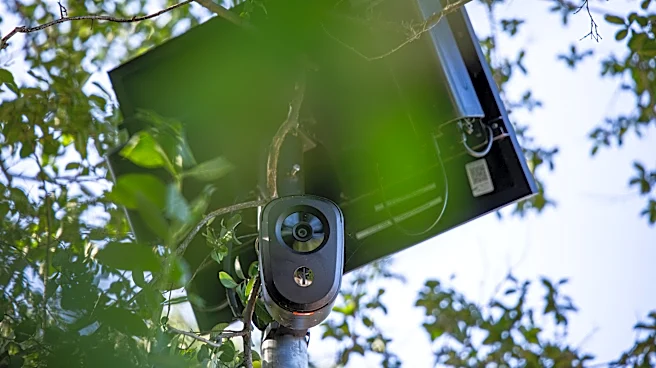
The Los Alamos Police Department (LAPD) recently held a town hall meeting to address community concerns regarding its use of Automated License Plate Readers (ALPRs). The meeting, which saw a full house in the Council chambers and significant online attendance,
indicated widespread public interest and apprehension about the surveillance technology. County Manager Anne Laurent acknowledged the 'widespread Anti-Flock movement' and the community's concerns about ALPRs. While ALPR technology has been utilized by LAPD for several years, the rapid advancements in technological capabilities have led to increased public scrutiny. The County has since published a comprehensive website with information, including answers to 200 questions submitted during the town hall, to foster a better understanding of the technology and its governing policies. This initiative aims to address the perceived lack of communication from LAPD regarding its surveillance plans, which has been a point of contention among residents.
Why It's Important?
The public discourse in Los Alamos regarding ALPRs highlights a growing national debate about privacy, surveillance, and the role of technology in law enforcement. The community's concerns reflect a broader societal unease about the collection and access of digital footprints by governmental entities. The LAPD's decision to hold a town hall and publish detailed information signifies an attempt to build trust and transparency, which is crucial for maintaining public confidence in police operations. The outcome of this dialogue in Los Alamos could influence how other municipalities approach the deployment and communication surrounding surveillance technologies. It underscores the importance of clear policies and public engagement to balance security needs with individual privacy rights, especially as technological capabilities continue to expand rapidly.
What's Next?
The Los Alamos Police Department's use of ALPRs appears to be ongoing, but potential changes to the governing policy remain at the discretion of Chief of Police Dino Sgambellone. The town hall was presented as the initial step in an ongoing dialogue aimed at establishing a shared understanding of the technology, its capabilities, and the safeguards against misuse. The County's newly launched website, which provides extensive information and answers to community questions, will serve as a continuous resource. Future discussions and policy adjustments are anticipated as the LAPD and County administration continue to engage with residents to address their concerns and adapt to evolving technological landscapes and public expectations regarding privacy and surveillance. The community will likely monitor any proposed changes to the ALPR policy and its implementation.
Beyond the Headlines
The situation in Los Alamos delves into the complex ethical and legal dimensions of modern policing and surveillance. The public's apprehension about ALPRs touches upon fundamental questions of civil liberties in an increasingly digital world. The debate extends beyond mere technology deployment to encompass the philosophical implications of constant monitoring and data collection on individual freedom and societal norms. The 'Anti-Flock movement' mentioned by County Manager Anne Laurent indicates a broader, organized resistance to pervasive surveillance, suggesting that local discussions are part of a larger national and even international conversation. This development could trigger long-term shifts in how communities demand accountability and transparency from law enforcement agencies regarding their technological capabilities and data handling practices, potentially leading to new legislative frameworks or community oversight models for surveillance technologies.