






What's Happening?
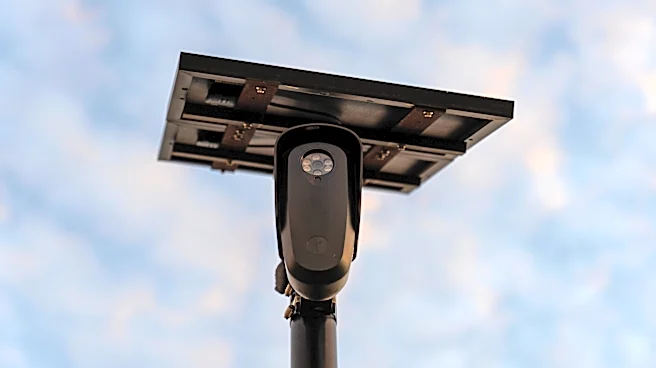
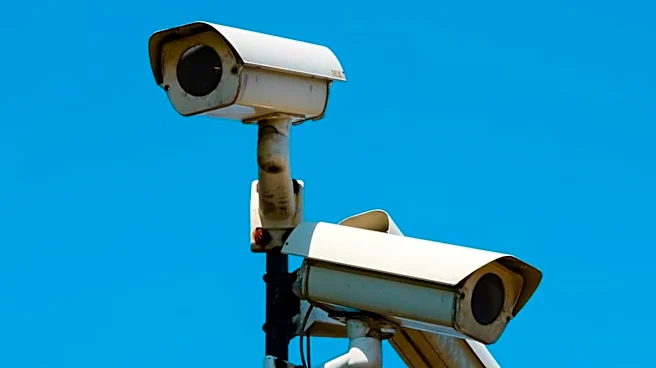
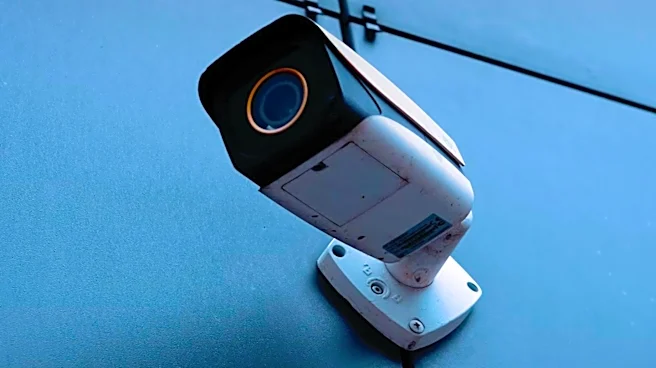
The Maui Police Department (MPD) has confirmed its use of approximately three dozen automatic license plate reading (ALPR) cameras for law enforcement purposes, while asserting that these devices are not used for surveillance. This disclosure occurred
during hearings at the Maui County Council, which is currently deliberating legislation to restrict the use of data collected by these cameras. MPD currently operates 32 cameras, with others being non-operational due to damage or theft. The department's cameras, sourced from Motorola, capture photos but not video, though MPD has expressed interest in video capabilities for future equipment. Data from these ALPR cameras is stored on a secure server inaccessible to Motorola, and flagged license plates can trigger alerts for police. MPD Lieutenant Taylor Kamakawiwoʻole stated that ALPRs serve as an additional set of 'eyes' for an understaffed department, helping to conserve manpower. A recent pilot program involving about a dozen ALPR cameras reportedly led to the resolution of 40 cases within a year, including attempted murder and hit-and-run robbery suspects. MPD also claims to have internal policies in place to prevent data misuse, such as stalking.
Why It's Important?
The use of ALPR cameras by the Maui Police Department raises significant questions about the balance between public safety and individual privacy. While MPD highlights the effectiveness of these cameras in solving crimes and compensating for staffing shortages, critics express concerns about the potential for mass surveillance and data misuse. The technology's ability to track individuals' movements, even those not suspected of crimes, has led to calls for stricter regulations. The Maui County Council's consideration of Bill 113, which aims to limit ALPR data use to 'legitimate law enforcement purposes' and prohibit its sale, commercial use, or use in immigration enforcement, reflects a broader societal debate on digital privacy in the age of advanced surveillance technologies. This local legislative effort could set a precedent for how other jurisdictions manage similar technologies, impacting civil liberties and law enforcement practices nationwide.
What's Next?
The Maui County Council has advanced an amended version of Bill 113, which seeks to restrict ALPR camera data usage to legitimate law enforcement purposes, such as investigating criminal offenses, locating missing persons or stolen vehicles, and protecting individuals from harm. The bill also proposes to ban the sale or commercial use of license plate data and its application in immigration enforcement. Councilmember Gabe Johnson voted against the bill, advocating for even stronger restrictions, including capping the number of ALPR cameras or imposing a moratorium on their use on county property. Separately, the council deferred Bill 112, which aimed to limit facial recognition cameras, after learning MPD does not use such technology. There is now interest among councilmembers in introducing a more robust bill that would outright ban facial recognition cameras. These legislative discussions indicate ongoing efforts to define the boundaries of surveillance technology use in Maui, with potential for further restrictions and policy developments in the near future.
Beyond the Headlines
The debate surrounding ALPR cameras on Maui extends beyond immediate law enforcement utility to fundamental questions about the nature of privacy in a technologically advanced society. The assertion by MPD that these cameras are not used for 'surveillance' highlights a definitional challenge, as the continuous collection and storage of location data, even without real-time monitoring, can be perceived as a form of surveillance by privacy advocates. The discussion also touches upon the ethical implications of using technology to compensate for understaffing, raising questions about whether technological solutions should replace human resources in policing. Furthermore, the potential for 'mission creep'—where data collected for one purpose is later used for another—remains a significant concern. The council's deliberations reflect a microcosm of a national struggle to adapt legal and ethical frameworks to rapidly evolving surveillance capabilities, underscoring the need for transparent policies and robust oversight to prevent potential abuses and protect civil liberties.