


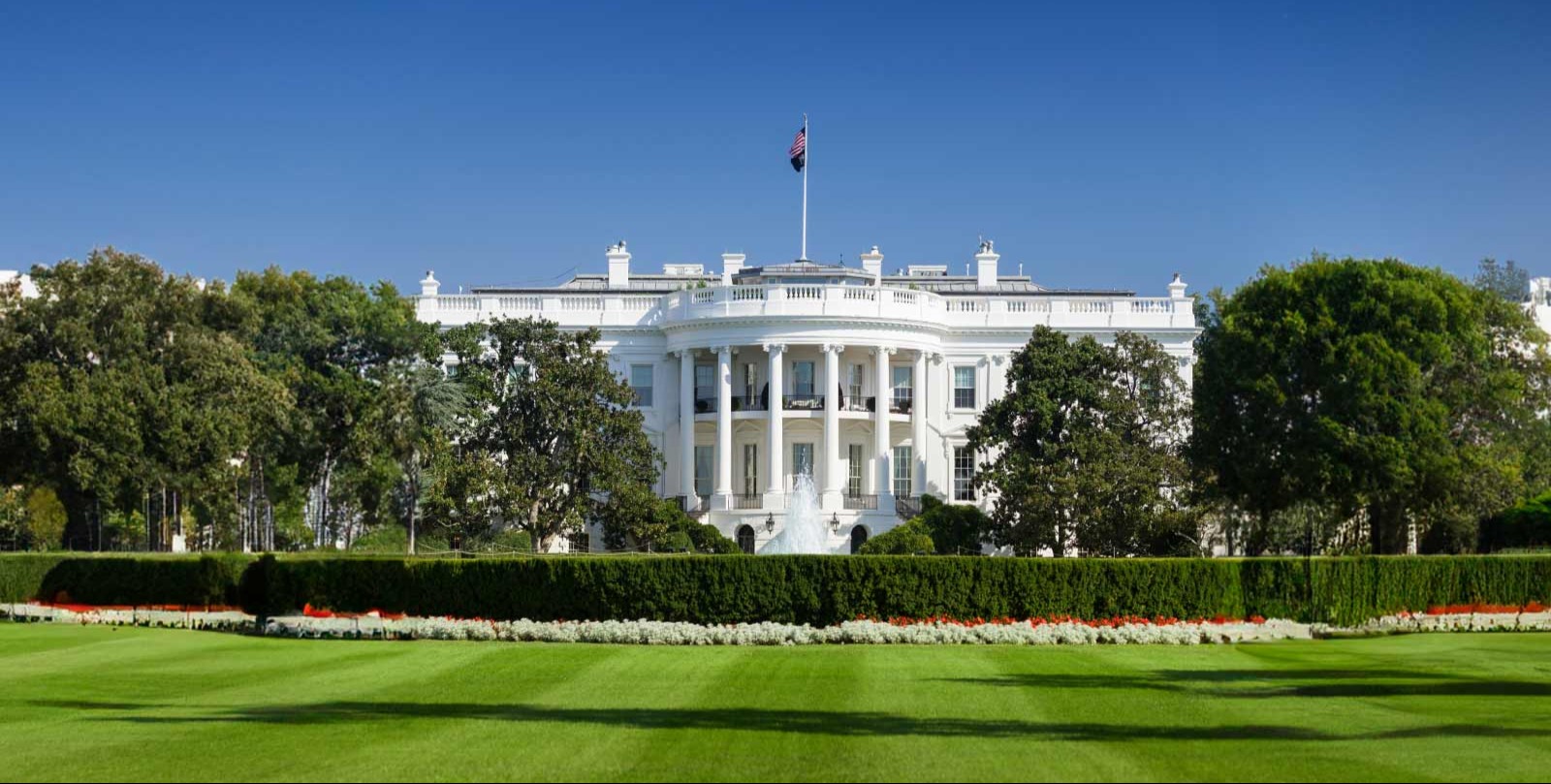
What's Happening?
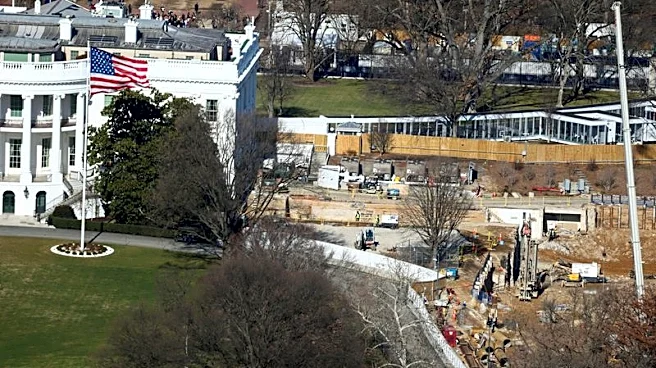
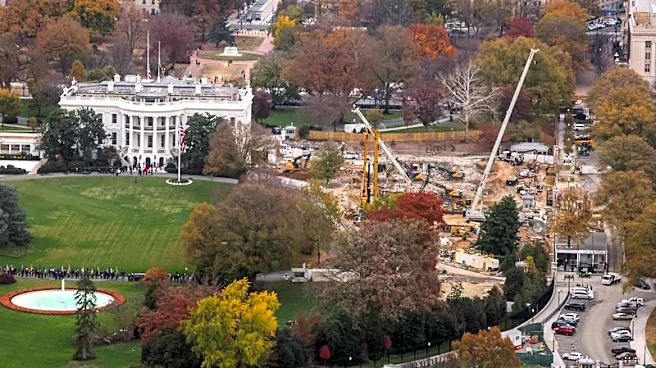
A federal judge has ordered a halt to the construction of a new ballroom at the White House, a project initiated by President Trump. The decision comes as part of a lawsuit filed by the National Trust for Historic Preservation, challenging the legality
of the construction. The judge's ruling emphasizes that the President is a steward, not the owner, of the White House, and that the project violates constitutional and federal laws that give Congress authority over federal buildings. The ballroom, which was to replace the East Wing, has been criticized for its extravagant cost and lack of congressional approval. Despite the halt, the National Capital Planning Commission is expected to approve the design, following the Commission of Fine Arts' earlier endorsement.
Why It's Important?
This legal challenge highlights the ongoing debate over presidential authority and the preservation of historic sites. The halt in construction underscores the importance of adhering to constitutional processes and the role of Congress in overseeing federal properties. The project has faced public opposition due to its high cost and timing, given current economic and geopolitical challenges. The decision to stop construction reflects broader concerns about executive overreach and the need to maintain the symbolic integrity of the White House as a representation of democratic values.
What's Next?
The President's legal team plans to appeal the decision, potentially taking the case to the Supreme Court. Meanwhile, the National Capital Planning Commission's expected approval of the ballroom design could further complicate the legal proceedings. The outcome of this case could set a precedent for future presidential projects and the balance of power between the executive branch and Congress. Public and political reactions will likely continue to shape the discourse around this controversial project.