






What's Happening?
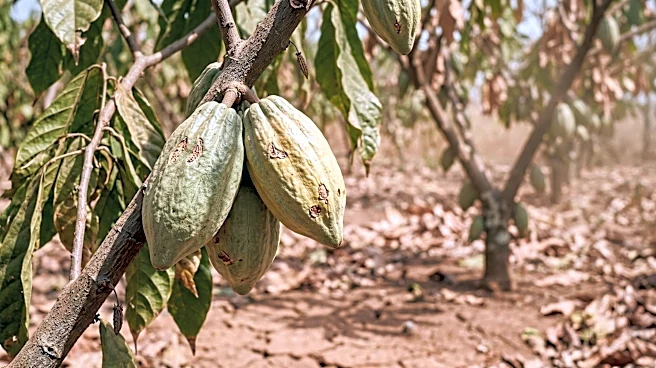
The government of Ivory Coast has announced an ambitious plan to secure nine million hectares of rural land over the next decade. This initiative, revealed by the Minister of Agriculture, Rural Development, and Food Production, Bruno Nabagné Koné, in Abidjan,
aims to formalize land rights across the country. The program includes issuing 1.5 million land certificates and signing 1.5 million agricultural contracts. The reform is designed to expedite the identification of plots, certify customary rights, and register agreements between landowners and operators. This comprehensive approach seeks to mitigate disputes and enhance legal certainty for agricultural investments. Land issues are particularly sensitive in rural areas of Ivory Coast, where conflicts over property and land use frequently lead to local tensions. The Ivorian government views land security as a critical factor for fostering agricultural investment and improving the traceability of rural land rights. The country also plans to collaborate with Senegal and Mauritania to share experiences in land governance, focusing on security tools, conflict prevention, and modernizing procedures.
Why It's Important?
This land security initiative is crucial for Ivory Coast's economic stability and agricultural development. By formalizing land rights, the government aims to reduce the frequent land disputes that destabilize rural communities and deter investment. Enhanced legal security around agricultural investments can attract both domestic and foreign capital, leading to increased productivity, job creation, and economic growth in the agricultural sector, which is a cornerstone of the Ivorian economy. The issuance of land certificates and agricultural contracts will empower farmers and landowners, providing them with clear ownership and usage rights, which can facilitate access to credit and encourage long-term planning and sustainable farming practices. Furthermore, the collaboration with neighboring countries like Senegal and Mauritania on land governance strategies highlights a regional effort to address common challenges, potentially leading to more stable and prosperous agricultural landscapes across West Africa. This move is expected to create a more predictable and secure environment for all stakeholders involved in the agricultural value chain.
What's Next?
Over the next ten years, Ivory Coast will focus on the systematic implementation of this land security program. This will involve significant administrative efforts to process 1.5 million land certificates and 1.5 million agricultural contracts. The government will likely establish new or strengthen existing institutional frameworks to manage the identification, certification, and registration processes efficiently. There will also be an emphasis on public awareness campaigns to inform rural populations about the benefits and procedures of land formalization, aiming to ensure broad participation and minimize resistance. The experience-sharing initiatives with Senegal and Mauritania suggest ongoing regional dialogues and potential joint projects to develop best practices in land governance. Success in this program could lead to a more robust agricultural sector, attracting further investment and potentially serving as a model for other African nations grappling with similar land tenure challenges. The reduction of land-related conflicts is a key anticipated outcome, which would contribute to social cohesion and stability in rural areas.
Beyond the Headlines
The land security program in Ivory Coast extends beyond mere economic benefits, touching upon profound social and ethical dimensions. The formalization of land rights addresses historical injustices and customary land tenure systems, which have often been sources of conflict and marginalization for vulnerable populations. By providing clear legal titles, the initiative can empower women and minority groups who traditionally have had limited access to land ownership, thereby promoting greater equity and social inclusion. The reduction of land disputes is not just an economic advantage but a critical step towards fostering peace and stability in rural communities, where such conflicts can escalate into broader social unrest. Ethically, the program underscores the government's commitment to protecting property rights and ensuring a fair legal framework for all citizens. Culturally, it navigates the complex interplay between traditional land practices and modern legal systems, aiming to integrate both for a more harmonious and productive society. This long-term shift could redefine rural livelihoods and governance structures in Ivory Coast.