








What's Happening?
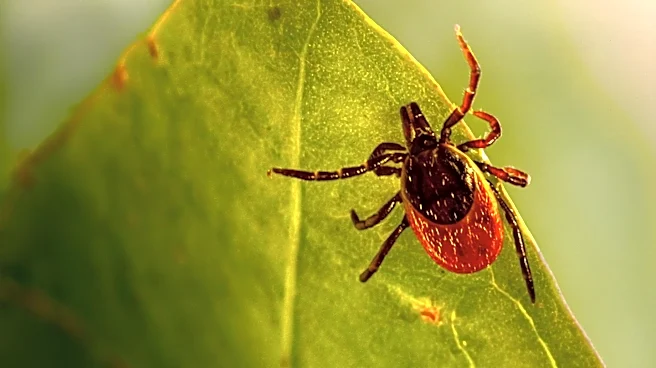
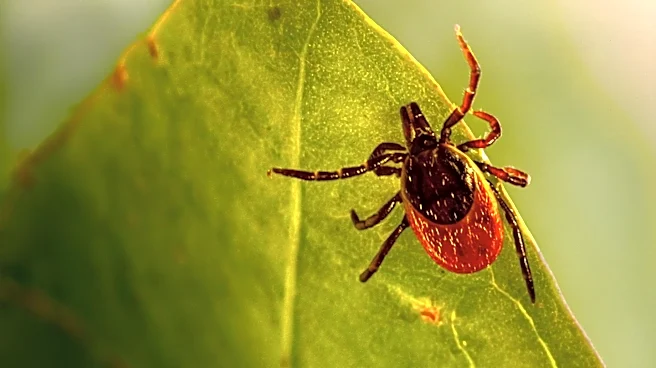
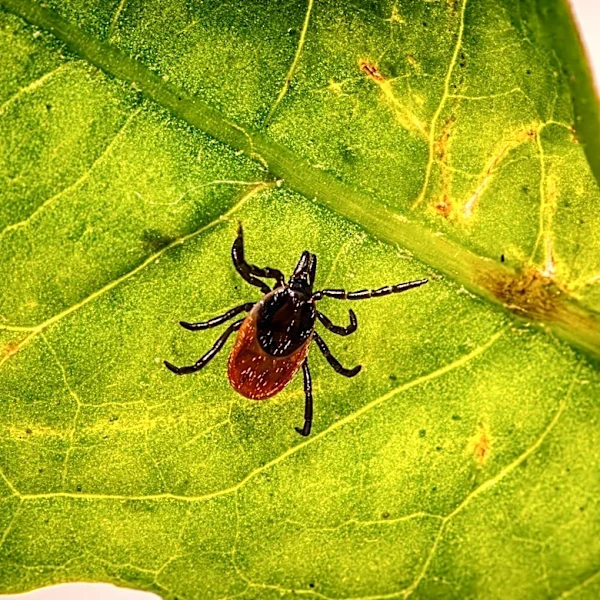
As temperatures rise, the prevalence of tick-borne diseases in the U.S. is increasing, with experts warning of new threats. Dr. Natasha Wyndham Hanners, an infectious disease specialist, highlights that climate change and expanding tick habitats are contributing
to the spread of these diseases. Anaplasmosis, a bacterial infection spread by the blacklegged deer tick, is one such disease that lacks the distinctive rash associated with Lyme disease, making it harder to diagnose. Additionally, orthonairoviruses, a family of tick-borne viruses, are capable of evading the immune system, posing significant health risks. Research from the University of California, Riverside, has shown that these viruses can suppress immune responses, allowing them to spread undetected. The spread of these diseases is further facilitated by global travel and improved diagnostic techniques, which are revealing new pathogens.
Why It's Important?
The increasing spread of tick-borne diseases poses a significant public health challenge in the U.S. The lack of early warning signs in diseases like anaplasmosis can lead to delayed diagnosis and treatment, increasing the risk of severe health outcomes. The ability of orthonairoviruses to evade the immune system further complicates efforts to control these diseases. As these diseases spread to new areas, healthcare systems may face increased burdens, requiring more resources for diagnosis, treatment, and public education. The economic impact could also be substantial, with potential increases in healthcare costs and lost productivity due to illness. Public awareness and preventive measures are crucial to mitigate these risks.
What's Next?
Public health officials and researchers are likely to intensify efforts to monitor and control the spread of tick-borne diseases. This may include increased surveillance of tick populations and the pathogens they carry, as well as public education campaigns to raise awareness about prevention and early detection. The development of new diagnostic tools and treatments will be essential to address the challenges posed by these emerging diseases. Collaboration between government agencies, healthcare providers, and researchers will be critical to effectively manage the public health threat posed by tick-borne diseases.
Beyond the Headlines
The spread of tick-borne diseases highlights broader issues related to climate change and its impact on public health. As climate change continues to alter ecosystems, the range and behavior of disease vectors like ticks are likely to change, potentially introducing new health threats. This underscores the need for comprehensive strategies to address climate change and its health impacts. Additionally, the emergence of new pathogens raises questions about the adequacy of current public health infrastructure and the need for innovation in disease detection and prevention.