




What's Happening?
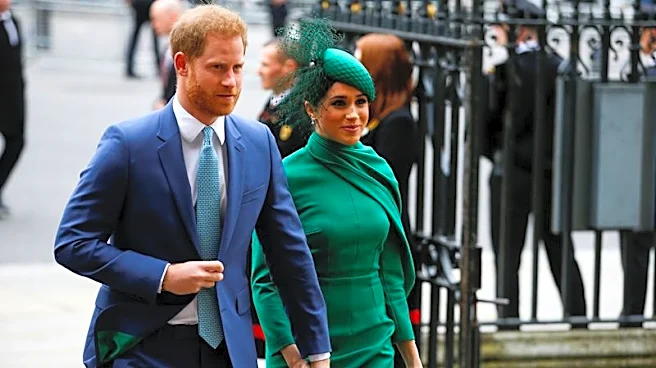
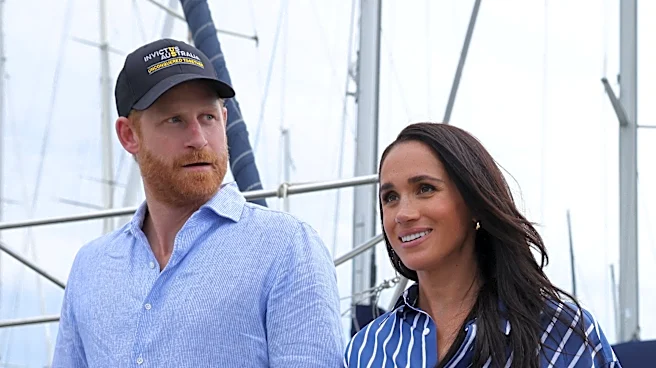
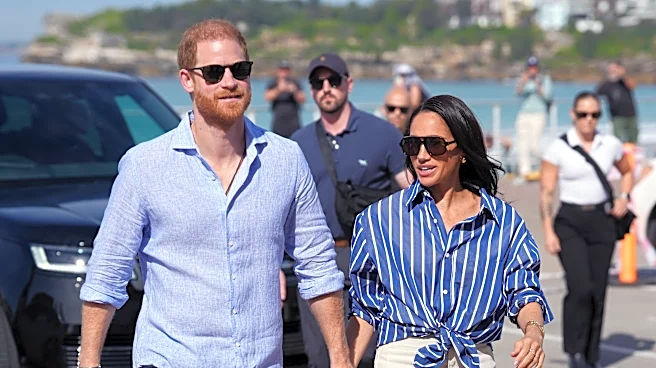
Several allies of President Trump have publicly mocked Prince Harry and Meghan Markle on social media following reports that the couple is moving back to the United Kingdom. These reports suggest that a contributing factor to their decision to leave the United States
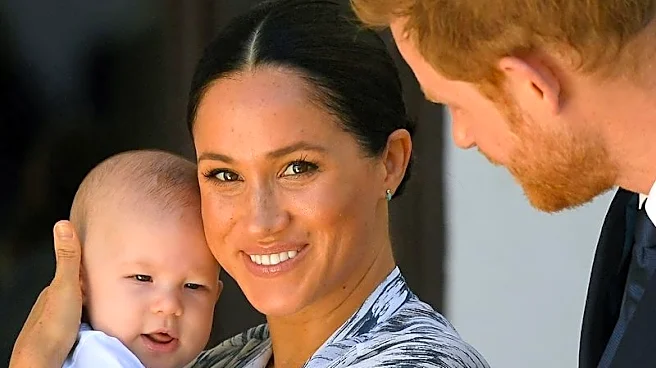
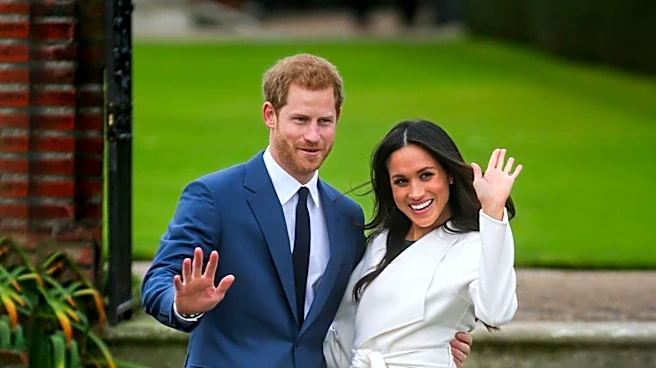
is their alleged dislike of President Trump. The Duke and Duchess of Sussex, who have been living in the U.S. for six years, are reportedly returning to Britain for an extended period, with their children Archie, seven, and Lilibet, five, to be enrolled in a British school. Katie Miller, wife of White House deputy chief of staff Stephen Miller, commented on X, linking the move to their supposed aversion to President Trump. Conservative personality Megyn Kelly also weighed in, suggesting the couple had 'done their time' in America. Despite the speculation, other reports indicate the couple's primary motivation for returning is to be closer to Prince Harry's family, particularly his father, King Charles.
Why It's Important?
The public commentary from President Trump's allies regarding Prince Harry and Meghan Markle's reported return to the UK highlights the intersection of celebrity culture, political discourse, and international relations. The framing of their move as a political statement, even if speculative, draws them into the U.S. political arena, particularly in the context of the upcoming midterm elections. This situation underscores how public figures, even those from other nations, can become subjects of partisan debate in the U.S. The mockery from President Trump's allies also reflects a broader trend of using social media to criticize and politicize the actions of prominent individuals. This can further polarize public opinion and contribute to a narrative that extends beyond the personal decisions of the couple, impacting their public image and potentially their future endeavors in both the U.S. and the UK.
What's Next?
The immediate aftermath of these comments will likely involve continued social media discussion and media coverage, further intertwining the couple's personal decisions with U.S. political narratives. While the couple's primary reason for returning is reportedly family-oriented, the political interpretations from President Trump's allies could influence how their return is perceived by different segments of the U.S. public. It is improbable that Prince Harry and Meghan Markle will directly address these political comments, maintaining their stance as private individuals. However, the ongoing scrutiny from political figures and commentators could shape their future interactions with the U.S. media and public. The focus will likely shift to their actual relocation and how they settle into their new life in the UK, away from the direct political spotlight of the U.S.
Beyond the Headlines
This incident reveals a deeper cultural phenomenon where the personal lives of public figures, especially those with royal connections, are often co-opted into political narratives. The readiness of President Trump's allies to attribute the couple's move to political motivations, even without concrete evidence, reflects a broader strategy of using high-profile individuals to score political points or reinforce existing political biases. This blurs the lines between personal privacy and public scrutiny, particularly for individuals who have stepped back from official duties but remain globally recognized. It also highlights the power of social media in amplifying such narratives, allowing for rapid dissemination of opinions that can shape public perception. The situation underscores the challenges faced by public figures in maintaining control over their own narratives in an increasingly politicized and interconnected world.