






What's Happening?
A high school student in Ontario County, New York, is suspected of having contracted hantavirus, a rare virus in the region. The student, who attends Geneva High School, has been experiencing mild symptoms and is currently recovering. According to Kate
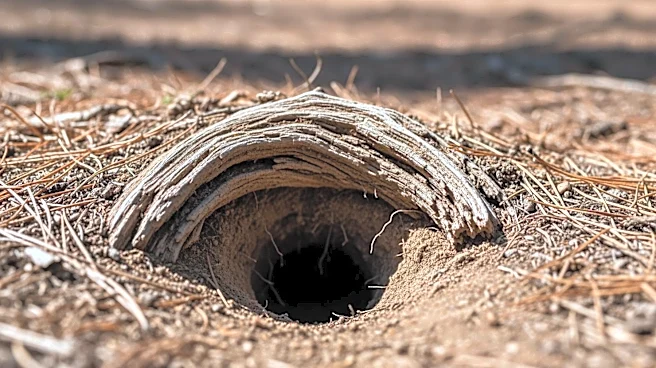
Ott, the County Public Health Director, the strain of hantavirus in the U.S. is not communicable from person to person, reducing the risk of a wider outbreak. The health department has emphasized that the virus is typically spread through contact with rodent droppings, not human-to-human transmission. The school district is working closely with health officials to ensure the safety of students and staff, and has communicated that there is no evidence of risk to others at the school.
Why It's Important?
The potential hantavirus case highlights the importance of public health awareness and preventive measures in schools and communities. Although hantavirus is rare in New York, the incident underscores the need for vigilance in environments where rodent exposure is possible. The situation also serves as a reminder of the importance of proper hygiene and protective measures, such as wearing masks and gloves when cleaning areas that may harbor rodent droppings. The case has prompted local health officials to reassure the community and provide guidance on preventing similar infections, which is crucial in maintaining public confidence and preventing panic.
What's Next?
Health officials will continue to monitor the situation closely, providing updates as necessary to the school and the broader community. The Ontario County Department of Health is likely to increase public education efforts on hantavirus prevention, particularly in rural areas where rodent exposure is more common. The school district will maintain communication with health authorities to ensure that any further actions needed to protect students and staff are implemented promptly. Additionally, the case may lead to increased surveillance and reporting of similar symptoms in the region to prevent future outbreaks.