




What's Happening?
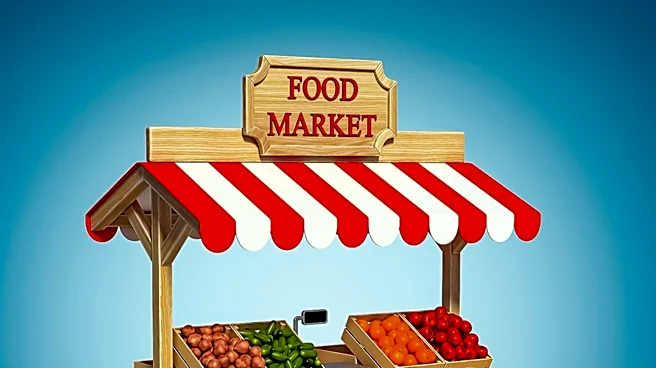
Farmers markets in Downtown Cleveland are being extended into the fall season to mitigate the impact of Heinen's grocery store closure. The nonprofit Downtown Cleveland Inc., which typically hosts weekly markets in Public Square during the summer, has
prolonged its schedule into October. This initiative aims to provide fresh food options for downtown residents following Heinen's departure on July 31, after nearly 11 years of operation. The City of Cleveland had previously offered over $250,000 in incentives to help keep the store open, according to Cleveland Mayor Justin Bibb. Additionally, the city has partnered with the North Union Farmers Market to host Tuesday morning markets on Mall B through October 6. Downtown Cleveland Inc. is also collaborating with StreetSense, a private consulting company, to attract a new grocery store to the area, with a report from StreetSense expected by early next month.
Why It's Important?
The extension of farmers markets is a crucial stopgap measure for the more than 21,000 residents of Downtown Cleveland who now face limited access to fresh groceries. The closure of Heinen's highlights a broader challenge in urban planning: ensuring essential services, like grocery stores, keep pace with residential growth in downtown areas. This situation underscores the economic and social importance of local food systems and community-led initiatives in addressing immediate needs. The city's efforts, including financial incentives and partnerships, demonstrate a commitment to maintaining a vibrant downtown, but also reveal the difficulties in sustaining retail businesses in evolving urban landscapes. The search for a new grocery store is vital for the long-term livability and attractiveness of Downtown Cleveland, impacting property values, resident retention, and overall economic health.
What's Next?
Downtown Cleveland Inc. is actively working with StreetSense to identify and attract a new grocery store, with a comprehensive report anticipated early next month. This report will be crucial in guiding future strategies for grocery provision in the area. The extended farmers markets will continue to serve residents through October, providing temporary relief. The city and local organizations will likely continue to engage with residents through surveys and community meetings to understand their needs and preferences for a new grocery provider. The success of these efforts will determine the long-term viability of downtown living and could influence future urban development policies regarding essential services in growing city centers.
Beyond the Headlines
The situation in Downtown Cleveland reflects a national trend where urban cores are experiencing residential revitalization but often struggle to retain or attract full-service grocery stores. This can lead to 'food deserts' within otherwise thriving areas, disproportionately affecting vulnerable populations and impacting public health. The reliance on farmers markets, while beneficial for local economies and fresh produce access, may not fully replace the convenience and variety offered by a traditional grocery store. This event also raises questions about the effectiveness of financial incentives in retaining businesses and the need for sustainable urban planning that integrates essential services from the outset. The long-term solution will likely require innovative approaches to urban retail and potentially new models for community-supported grocery initiatives.