






What's Happening?
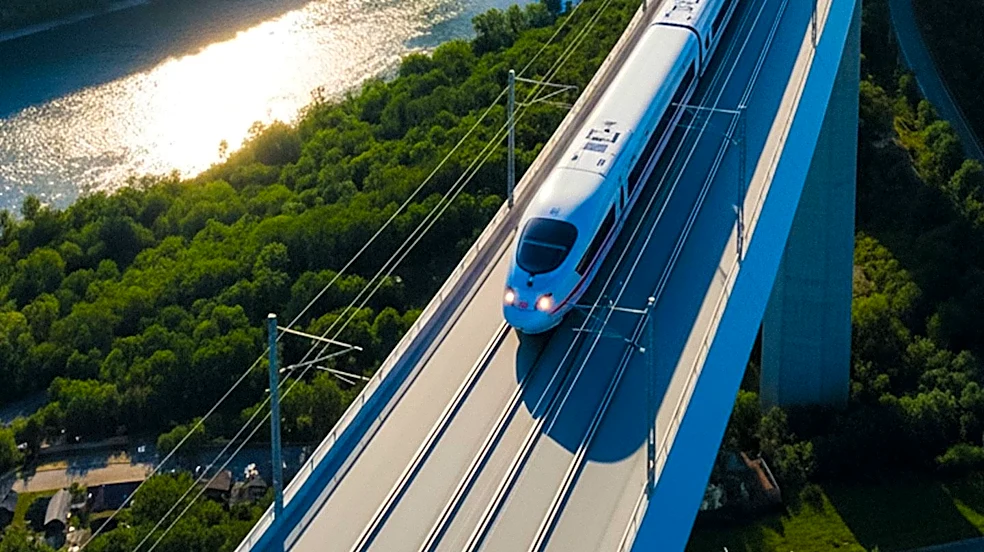
Senator Tammy Baldwin (D-Wisconsin) has successfully secured over $218 million to expand Amtrak’s Hiawatha passenger rail service in Wisconsin. This funding, derived from the Bipartisan Infrastructure Law and annual government funding bills, will facilitate
the Hiawatha West Project, establishing intercity passenger rail service between Chicago and Waukesha, Jefferson, and Dane counties. Additionally, Senator Baldwin announced $34 million for the Fox Valley and Lake Superior Rail System (FOXY) to repair the Luxemburg Swing Bridge over the Fox River in Green Bay. This investment aims to strengthen a critical freight corridor and revive efforts to expand passenger rail in the state. Governor Tony Evers highlighted that this project will create 200 jobs and enhance transportation options for residents. The federal funding for the Hiawatha West Project comes from the Federal Railroad Administration’s (FRA) Consolidated Rail Infrastructure and Safety Improvements (CRISI) program, which will be used for track, bridge, and crossing rehabilitation, capacity expansion, and the construction of new intercity passenger rail stations. This initiative follows a previous $140 million secured by Governor Evers and Senator Baldwin from the FRA in August to update 41 Charger locomotives serving Midwest routes, including the Milwaukee-Chicago Hiawatha route.
Why It's Important?
The expansion of passenger rail service in Wisconsin holds significant economic and social implications for the state. By connecting Chicago with Waukesha, Jefferson, and Dane counties, the project will provide new transportation options for commuters, students, and tourists, potentially reducing road congestion and travel times. Senator Baldwin emphasized that expanded passenger rail will attract more tourists, boost local businesses, and create good-paying jobs across Wisconsin. For agricultural and manufacturing sectors, improvements to freight rail infrastructure will reduce delays and enhance reliability, ensuring timely delivery of products. The creation of an estimated 200 permanent jobs and approximately $46 million in annual economic benefits underscores the project's potential to stimulate economic growth. This investment also marks a significant step in overcoming past setbacks in Wisconsin's passenger rail development, such as the rejection of federal funds for a high-speed rail project in 2010. The current project leverages existing infrastructure with targeted capital investments to improve service, safety, and reliability, offering a more sustainable approach to rail expansion.
What's Next?
The secured funding will be utilized for key investments including bridge rehabilitations, track and crossing upgrades, and the installation of ADA-accessible temporary station platforms in Madison, Watertown, and Pewaukee. These infrastructure improvements are crucial for enhancing track capacity and speeds for passenger service, improving safety, and increasing existing service reliability. The project is expected to provide a new connection for families, workers, and students to major economic centers, making travel between Madison, Milwaukee, and Chicago more accessible without driving. Furthermore, the improvements to freight rail safety, speeds, and reliability are anticipated to decrease travel times for freight trains, supporting the state's agricultural and manufacturing industries. The city of Madison has already completed a Passenger Rail Station Study in coordination with WisDOT to identify the best location for a future Amtrak station, indicating readiness for the upcoming expansion. This initiative builds on recent successes, such as the extension of passenger rail service with the Borealis Train route connecting St. Paul, Minnesota, with Chicago via Milwaukee, which has seen significant ridership growth.
Beyond the Headlines
This rail expansion project represents a broader shift towards investing in sustainable and efficient public transportation infrastructure across the U.S., aligning with the goals of the Bipartisan Infrastructure Law. The emphasis on rehabilitating existing infrastructure and making targeted capital investments reflects a pragmatic approach to expanding rail services, contrasting with previous attempts that faced political hurdles. The project's focus on improving both passenger and freight rail highlights an understanding of the interconnectedness of transportation networks and their impact on economic vitality. The bipartisan nature of the funding mechanism, despite opposition from some Wisconsin congressional Republicans to the Bipartisan Infrastructure Law, underscores the national recognition of the need for infrastructure upgrades. This investment could serve as a model for other states looking to enhance their rail systems, demonstrating how federal funding can be leveraged to create jobs, stimulate local economies, and improve connectivity for communities. The long-term implications include reduced carbon emissions from fewer car trips, enhanced regional economic integration, and improved quality of life for residents through better access to employment, education, and leisure opportunities.