





What's Happening?
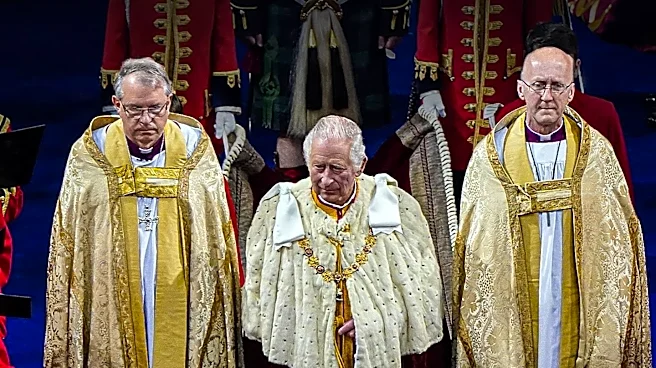
Despite being stripped of his royal titles, Prince Andrew remains on a confidential government list for high-profile ceremonial funerals. This list, known as 'bridge plans,' includes arrangements for Andrew's funeral to be held at St George's Chapel in Windsor,
with potential involvement from Royal Navy officers. The revelation has sparked backlash, with critics arguing that public funds should not support a royal funeral for Andrew, given his association with Jeffrey Epstein. Survivors of Epstein's crimes and public figures have voiced their opposition, questioning the appropriateness of such honors.
Why It's Important?
The decision to retain Prince Andrew's ceremonial funeral privilege raises questions about accountability and the use of public funds for individuals involved in scandals. This situation highlights the tension between tradition and modern expectations of transparency and justice within the monarchy. The public and political response to this decision could influence future policies regarding royal privileges and the allocation of state resources. It also reflects broader societal debates about privilege, accountability, and the role of the monarchy in contemporary society.