
What's Happening?
Aerobic exercise is consistently recommended by medical experts for maintaining and improving heart health, particularly as individuals age. Research indicates that regular aerobic activity helps mitigate
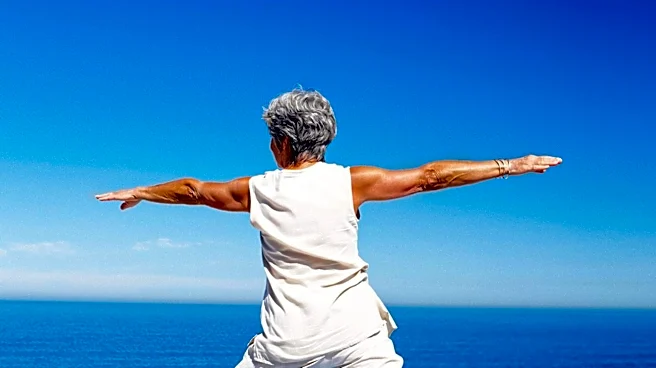
risks such as cardiovascular disease, insulin resistance, and bone density loss. This is achieved by enhancing heart function, supporting a healthy weight, improving insulin sensitivity, and aiding in inflammation control, according to Mark Kovacs, Ph.D., C.S.C.S., a human performance scientist and longevity expert. The Centers for Disease Control and Prevention (CDC) recommends at least 150 minutes of moderate-intensity aerobic activity per week, noting that exceeding this minimum can further reduce the risk of death from heart disease and other causes. Low-impact cardio options like swimming, cycling, brisk walking, Pilates, and yoga are suggested for older adults as they are effective in raising heart rate while being gentle on joints. Brooke Bussard, M.D., a certified personal trainer, emphasizes that the most effective exercise plan is one that individuals can consistently adhere to.
Why It's Important?
The emphasis on aerobic exercise for older adults carries significant implications for public health and the healthcare industry in the U.S. Heart disease remains the leading cause of death for both men and women in the country, making preventative measures like regular physical activity crucial. By promoting aerobic exercise, there's potential to reduce the burden of chronic diseases, lower healthcare costs associated with cardiovascular conditions, and improve the overall quality of life for the aging population. This focus also highlights the growing demand for specialized fitness programs and trainers catering to seniors, creating economic opportunities within the fitness and wellness sectors. Furthermore, encouraging consistent exercise can foster greater independence among older adults, potentially delaying the need for more intensive care and support services. The recommendation for low-impact activities also addresses common barriers to exercise for seniors, such as joint pain and mobility concerns, making fitness more accessible.
What's Next?
Moving forward, there is likely to be a continued push for integrating aerobic exercise into the routines of older adults. This could manifest in several ways: increased availability of senior-focused fitness programs in community centers and healthcare facilities, greater emphasis on exercise recommendations during routine medical check-ups, and the development of more accessible and adaptable exercise options. The fitness industry may see further growth in specialized training for seniors, including in-home personal training services and group classes tailored to various fitness levels and health conditions. Educational campaigns promoting the benefits of aerobic activity for healthy aging are also probable. Healthcare providers and public health organizations will likely continue to collaborate to disseminate information and resources, encouraging older adults to meet or exceed the recommended physical activity guidelines to improve their long-term health outcomes.
Beyond the Headlines
Beyond the immediate health benefits, the promotion of senior fitness through aerobic exercise touches upon broader societal and cultural shifts. It challenges traditional perceptions of aging, moving away from a narrative of decline towards one of active and healthy longevity. This shift can empower older adults to maintain their independence and engagement in community life for longer, contributing to a more vibrant and productive senior population. Ethically, it underscores the importance of accessible health resources for all age groups, ensuring that preventative care is not limited by physical or financial barriers. Culturally, it may lead to a greater appreciation for diverse forms of physical activity, recognizing that fitness is not solely about high-intensity workouts but also about sustainable, enjoyable movement. The long-term implication is a potential redefinition of what it means to age in America, with a greater emphasis on proactive health management and well-being.