






What's Happening?
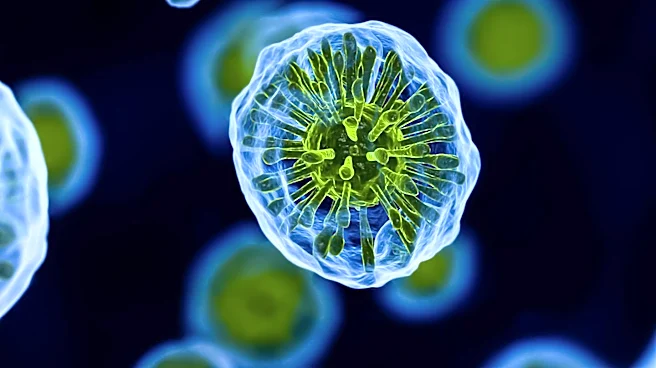
State health officials have confirmed five cases of a rare, flesh-eating bacteria in Florida for the year 2026, with one case occurring in Miami-Dade County. This bacterium, known for its severe and potentially life-threatening infections, has raised
concerns among local health authorities. The bacteria, often found in warm, brackish waters, can enter the body through open wounds or cuts, leading to necrotizing fasciitis, a condition that rapidly destroys tissue. Health officials are urging residents to take precautions, such as avoiding exposure to warm seawater if they have open wounds and seeking immediate medical attention if they experience symptoms like fever, redness, or swelling around a wound.
Why It's Important?
The confirmation of a case of flesh-eating bacteria in Miami-Dade highlights the ongoing public health challenge posed by such infections, particularly in coastal regions. This development underscores the need for increased public awareness and preventive measures to mitigate the risk of infection. The presence of this bacteria in local waters can impact tourism and local economies, as well as strain healthcare resources. It also raises questions about environmental factors contributing to the bacteria's prevalence, potentially prompting further research and policy discussions on water safety and public health strategies.
What's Next?
Health officials are likely to continue monitoring the situation closely, providing updates and guidance to the public. There may be increased efforts to educate residents and visitors about the risks and preventive measures associated with flesh-eating bacteria. Additionally, local authorities might consider implementing more stringent water quality testing and safety protocols to prevent future cases. The situation could also lead to discussions on broader environmental and public health policies aimed at reducing the incidence of such infections.