



What's Happening?
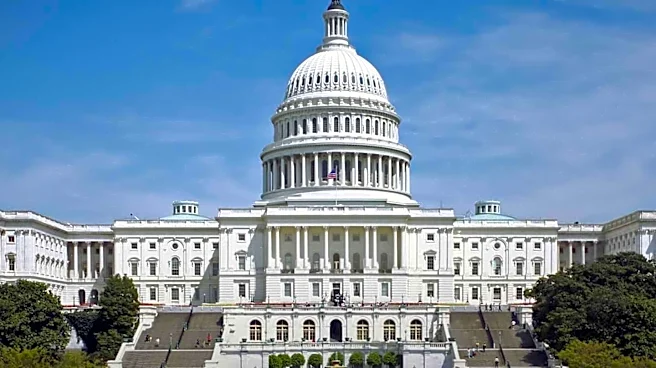
U.S. Representatives George Whitesides (CA-27), Maria Salazar (FL-27), and Don Davis (NC-01) have jointly introduced the 'Protecting Elders from Wire Fraud Act.' This bipartisan legislation aims to empower financial institutions to temporarily halt suspicious
wire transactions originating from a senior's account if financial exploitation is suspected. The move comes in response to the increasing sophistication and convincing nature of scams targeting elderly individuals. Congress is taking action to enhance protections for Americans against financial exploitation, recognizing its responsibility to safeguard vulnerable populations from these evolving threats. The bill seeks to provide a crucial mechanism for financial institutions to intervene and prevent potential fraud before funds are irrevocably lost.
Why It's Important?
This legislative initiative is important because it directly addresses a growing concern regarding the financial exploitation of seniors in the U.S. Elder fraud, particularly through wire transfers, results in significant financial losses for victims and can have devastating impacts on their well-being and financial security. By enabling financial institutions to place holds on suspicious transactions, the bill provides an additional layer of defense against sophisticated scam artists. This could lead to a reduction in successful wire fraud attempts targeting seniors, thereby protecting their savings and assets. The bipartisan nature of the bill also signals a broad consensus on the urgency of this issue, potentially paving the way for swift passage and implementation. For financial institutions, it provides a legal framework to act on suspicions, potentially reducing their liability while enhancing their role in consumer protection.
What's Next?
The 'Protecting Elders from Wire Fraud Act' will now proceed through the legislative process in Congress. This will involve committee reviews, potential amendments, and votes in both the House of Representatives and the Senate. Stakeholders, including senior advocacy groups, financial industry associations, and law enforcement agencies, will likely monitor its progress and may offer input. If passed, the bill would require financial institutions to establish protocols for identifying and holding suspicious transactions, which could lead to new training and compliance measures within the banking sector. The effectiveness of the legislation will depend on its implementation and the ability of financial institutions to accurately identify and intervene in cases of suspected elder fraud, while also ensuring legitimate transactions are not unduly delayed.
Beyond the Headlines
Beyond its immediate impact on preventing financial losses, this legislation touches upon broader societal issues related to trust, technology, and the protection of vulnerable populations. The increasing sophistication of scams highlights the challenges individuals face in distinguishing legitimate communications from fraudulent ones, especially for seniors who may be less familiar with evolving digital threats. The bill also underscores the evolving role of financial institutions as not just custodians of money, but also as frontline defenders against financial crime. It could prompt a wider discussion on digital literacy and cybersecurity education for seniors, as well as the ethical responsibilities of technology platforms where some of these scams originate. The long-term implications could include a shift in how financial services are delivered and regulated to better integrate fraud prevention mechanisms, fostering a more secure financial environment for all citizens.