






What's Happening?
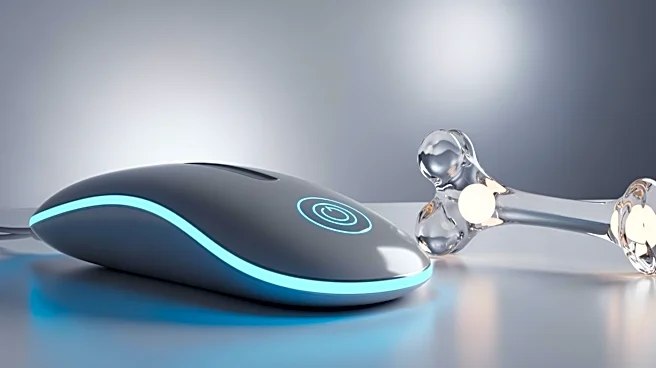
The Osteoboost device, a wearable belt approved by the FDA in 2024, is designed to combat bone density loss in post-menopausal women diagnosed with osteopenia. The device delivers targeted vibrations to the spine and hips, mimicking the effects of exercise
by stimulating bone-building cells called osteoblasts. A study involving 126 women over 50 showed that those using the device experienced significantly less bone strength loss in the spine over a year compared to a placebo group. Despite these promising results, some scientists have criticized the study's conclusions, arguing that the device's localized treatment may not be sufficient for a systemic condition like osteopenia. The device is available by prescription and costs about $1,000, as it is not covered by insurance.
Why It's Important?
The development of the Osteoboost device represents a significant advancement in the management of osteopenia, a condition affecting over 40 million adults in the U.S. aged 50 and older. By potentially reducing the progression to osteoporosis, the device could help decrease the risk of fractures, which are a major health concern for aging populations. The device's ability to mimic exercise effects offers an alternative for individuals who may have limitations in performing traditional weight-bearing exercises. However, the debate over its efficacy highlights the need for further research to validate its long-term benefits and potential as a standalone treatment.
What's Next?
Further studies are likely needed to assess the long-term impact of the Osteoboost device on fracture risk and overall bone health. Researchers at institutions like MD Anderson Cancer Center are exploring similar technologies to protect bone health in cancer patients, which could expand the device's applications. As the device gains more attention, healthcare providers may increasingly consider it as part of a comprehensive bone health strategy, alongside traditional methods like exercise, nutrition, and supplements. The ongoing discourse among scientists and healthcare professionals will be crucial in determining the device's role in clinical practice.
Beyond the Headlines
The introduction of the Osteoboost device raises questions about the commercialization of medical devices and their accessibility. With a price tag of $1,000 and no insurance coverage, the device may not be accessible to all patients who could benefit from it. This situation underscores the broader issue of healthcare affordability and the need for policies that ensure equitable access to innovative treatments. Additionally, the device's reliance on technology developed for astronauts highlights the potential for cross-disciplinary innovations in addressing health challenges on Earth.