







What's Happening?
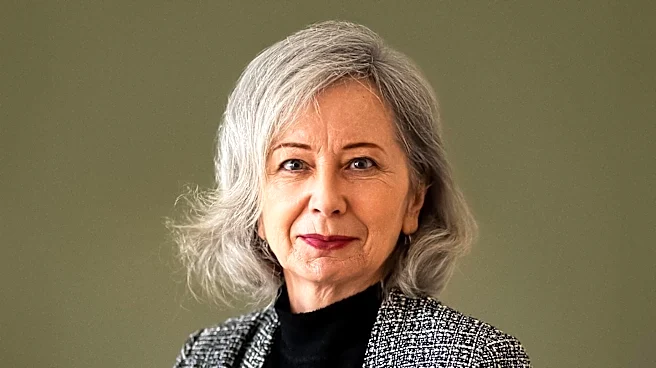
Dr. Bettina Drake, a cancer epidemiologist at Washington University (WashU) Medicine and Siteman Cancer Center, has been installed as the Michael F. Neidorff Professor. This recognition honors her extensive work in addressing cancer disparities and improving
outcomes for underserved communities. Dr. Drake has led initiatives that have significantly reduced breast cancer disparities and improved outcomes for African American women in the region, lowered colon cancer fatality rates, and expanded smoking cessation programs. Her approach emphasizes community engagement, moving beyond merely identifying health problems to actively implementing interventions. She also co-leads the Prostate Cancer Community Partnership, which is part of the Program for the Elimination of Cancer Disparities, focusing on reducing prostate cancer disparities in the area. Dr. Drake developed 'Health on the Move,' a program that deploys community health workers with mobile mammography and lung cancer screening services across an 82-county region served by Siteman, increasing community engagement in underserved populations.
Why It's Important?
Dr. Drake's work is crucial for public health in the U.S., particularly in addressing systemic health inequities. Her focus on community engagement and direct intervention highlights a model that can be replicated to tackle disparities in cancer care and other health areas. By improving breast cancer outcomes for African American women, reducing colon cancer fatalities, and expanding smoking cessation, her efforts directly impact vulnerable populations who often face significant barriers to quality healthcare. The 'Health on the Move' initiative is vital for increasing access to early detection and screening services, which are critical for improving survival rates, especially in rural and underserved areas where healthcare access is limited. This recognition by Washington University underscores the importance of community-based research and interventions in achieving health equity and demonstrates a commitment to addressing the social determinants of health.
What's Next?
The continued work of Dr. Drake and the initiatives she leads, such as 'Health on the Move' and the Prostate Cancer Community Partnership, are expected to further reduce cancer disparities in the St. Louis region and beyond. The recognition and support from Washington University and Centene, as highlighted by CEO Sarah London, suggest ongoing investment in community-based health approaches. This could lead to the expansion of similar programs, potentially influencing public health strategies and funding allocations for cancer research and care in underserved communities across the nation. Future efforts will likely continue to focus on engaging communities, refining problem identification, and implementing targeted interventions to ensure that medical research and treatments reach those who need them most, ultimately aiming to eliminate cancer as a cause of death.
Beyond the Headlines
Dr. Drake's approach transcends traditional research by emphasizing the ethical imperative of translating scientific findings into tangible community benefits. Her personal background, including growing up in a 'micro-politan' town and her father's prostate cancer diagnosis, deeply informs her commitment to disparities research. This highlights the critical role of lived experience in shaping impactful public health initiatives. Her methodology, influenced by figures like Dr. Bill Carter Jenkins, stresses understanding the 'why' behind health problems in specific communities and taking action, rather than just identifying issues. This holistic view underscores the need for medical research to reflect the diversity of patient populations to ensure equitable treatment and outcomes, fostering trust and participation in healthcare systems among historically marginalized groups.