







What's Happening?
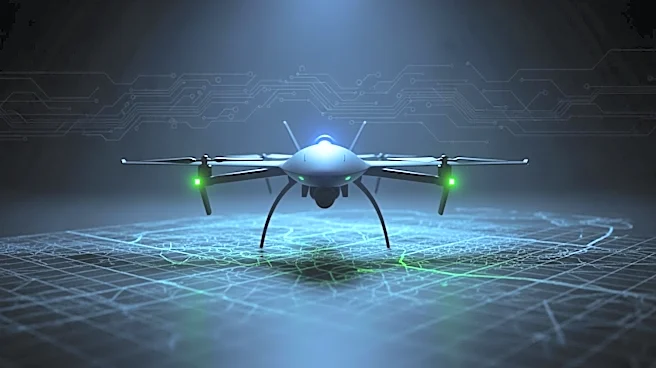
IMSAR LLC participated in the Army's Short/Vertical Takeoff & Landing (S/VTOL) Group 4+ Summit in Huntsville, Alabama, showcasing its radar solutions for future unmanned aircraft systems (UAS). The summit focused on developing UAS platforms that operate
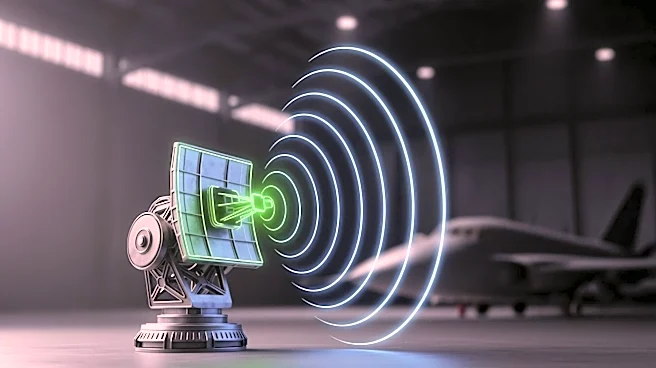
without traditional runways, enhancing operational agility for missions such as reconnaissance, surveillance, and target acquisition. IMSAR highlighted its low-SWaP, multi-mode radar systems, including the NSP-5 through NSP-8, which offer scalable capabilities for various UAS platforms. These radar systems provide advanced sensing capabilities, including Synthetic Aperture Radar (SAR) imaging and Moving Target Indicator (MTI) capabilities, essential for modern unmanned aircraft integration.
Why It's Important?
The development of runway-independent UAS platforms represents a significant shift in military operations, offering increased flexibility and survivability. IMSAR's radar systems enhance the capabilities of these platforms, supporting multi-domain operations and distributed sensing missions. The integration of advanced radar technology into UAS platforms is crucial for maintaining strategic advantages in reconnaissance and surveillance. This development aligns with the Army's goals of enhancing operational agility and precision strike capabilities, potentially influencing future military strategies and technologies.
What's Next?
IMSAR will continue collaborating with aircraft manufacturers, integrators, and government stakeholders to align its technology with evolving requirements for next-generation UAS programs. OEM partners are encouraged to explore collaboration opportunities for radar integration into S/VTOL platforms. The ongoing development of these systems will likely lead to advancements in UAS capabilities, impacting military operations and defense strategies.
Beyond the Headlines
The integration of advanced radar systems into UAS platforms highlights the broader trend of technological innovation in military operations. These developments may influence future defense policies and procurement strategies, emphasizing the importance of agility and survivability in modern warfare. The collaboration between industry and government stakeholders is crucial for driving innovation and ensuring the successful deployment of next-generation technologies.