
What's Happening?
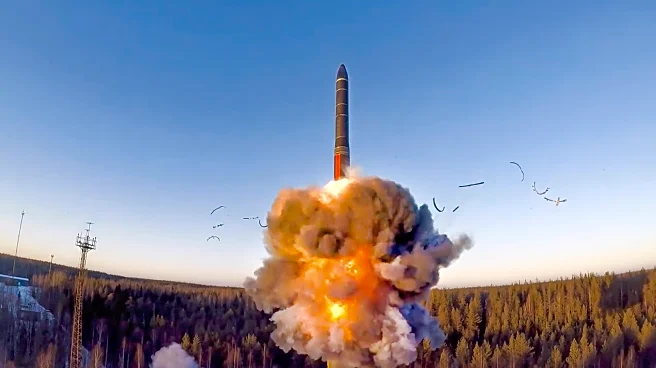
On January 8, 2026, Russia launched an Oreshnik ballistic missile targeting infrastructure in Lviv, Ukraine, which is located approximately 60 kilometers from the Polish border. This missile, known for
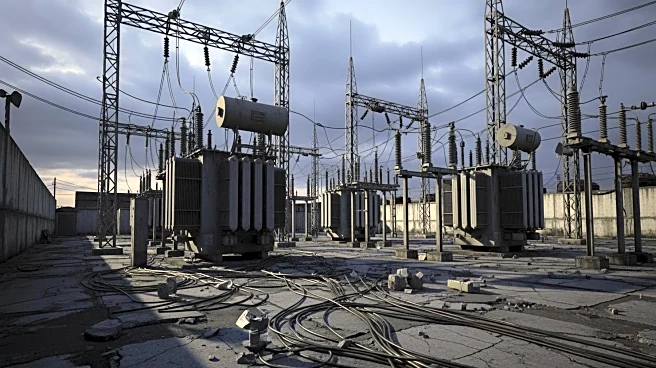
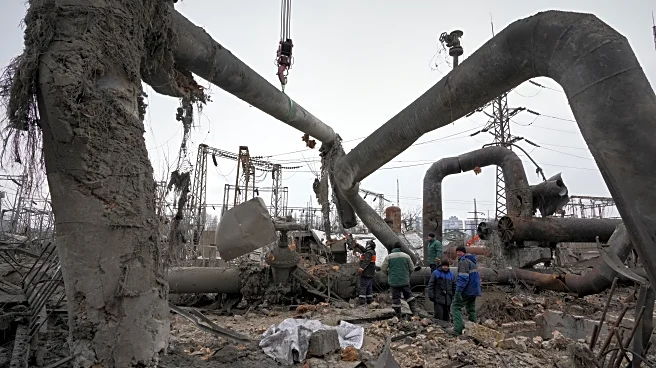
its intermediate-range and hypersonic capabilities, can reach distances up to 5,500 kilometers. The attack resulted in significant explosions in Lviv, causing widespread concern due to its proximity to the European Union and NATO borders. Ukrainian authorities confirmed the strike, which is part of ongoing hostilities between Russia and Ukraine. The missile's deployment follows a pattern of targeting energy infrastructure, a tactic that has been prevalent throughout the conflict. The strike also coincided with Ukrainian retaliatory actions that left half a million people in the Russian region of Belgorod without power and affected water and heating systems in Oryol.
Why It's Important?
The use of the Oreshnik missile near the Polish border underscores the escalating tensions and potential for broader regional instability. This development poses a significant threat to European security and tests the resilience of the transatlantic alliance. The proximity of the strike to EU and NATO territories raises the stakes for international diplomatic and military responses. The ongoing conflict and such aggressive military actions could lead to increased involvement from neighboring countries and international bodies, potentially escalating the situation further. The targeting of critical infrastructure also highlights the humanitarian impact, as it disrupts essential services and endangers civilian lives.
What's Next?
The international community, particularly the EU and NATO, may need to reassess their strategies and responses to the conflict in light of this recent escalation. Diplomatic efforts could intensify to prevent further destabilization in the region. Additionally, there may be increased pressure on Russia to justify its actions and on Ukraine to manage its retaliatory measures carefully. The situation could lead to further sanctions or military support for Ukraine from Western allies. Monitoring the responses from major stakeholders will be crucial in understanding the potential shifts in the geopolitical landscape.
Beyond the Headlines
The strike near the Polish border highlights the broader implications of the conflict, including the potential for accidental or intentional spillover into neighboring countries. This raises ethical and legal questions about the conduct of warfare and the protection of civilian populations. The use of advanced missile technology like the Oreshnik also points to an arms race dynamic, where both sides may seek to develop or acquire more sophisticated weaponry. Long-term, this could influence global arms control discussions and the need for renewed international agreements to prevent further escalation.