



What's Happening?
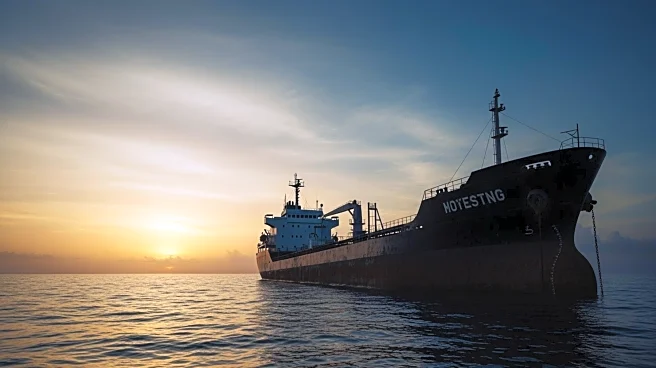
U.S. forces have seized a fifth tanker, named Olina, associated with the Venezuelan oil trade in the Caribbean. This action is part of ongoing efforts by the Trump administration to enforce sanctions on Venezuela's oil exports. The tanker, part of a 'ghost
fleet' operating under false flags, was apprehended by U.S. Marines and sailors from Joint Task Force Southern Spear, supported by the U.S. Coast Guard. The vessel, previously flagged in Panama and now falsely claiming Timor-Leste registration, was reportedly carrying embargoed oil. The seizure was executed without incident, and the crew is cooperating with U.S. forces. The U.S. Southern Command emphasized that there is no safe haven for criminals, reinforcing the blockade on sanctioned Venezuelan oil.
Why It's Important?
The seizure of the Olina highlights the U.S.'s stringent enforcement of sanctions against Venezuela, aiming to curb the country's oil exports, which are a significant revenue source for the Venezuelan government. This action underscores the U.S.'s commitment to maintaining pressure on Venezuela, potentially affecting global oil markets and international relations. The seizure also sends a strong message to other nations and entities involved in the shadow fleet, deterring illegal oil trade and reinforcing international sanctions. The U.S.'s actions could lead to increased tensions with countries that have economic ties with Venezuela, impacting diplomatic relations and economic policies.
What's Next?
The U.S. is likely to continue its aggressive stance on enforcing sanctions against Venezuela, with further seizures of tankers expected. The international community may respond with diplomatic discussions or actions, particularly from countries with vested interests in Venezuelan oil. The U.S. Navy and other forces will likely maintain their presence in the Caribbean to monitor and intercept additional vessels attempting to evade sanctions. The situation could lead to further geopolitical tensions, especially if other countries perceive the U.S.'s actions as overreach or if they impact global oil supply chains.