

What's Happening?
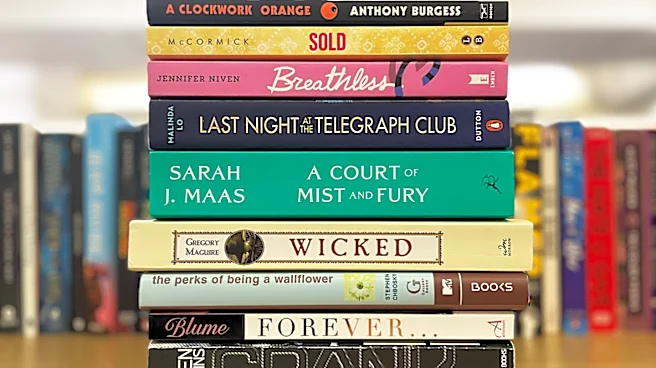
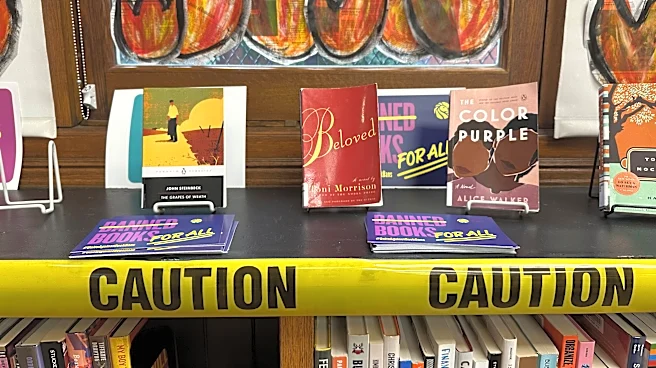
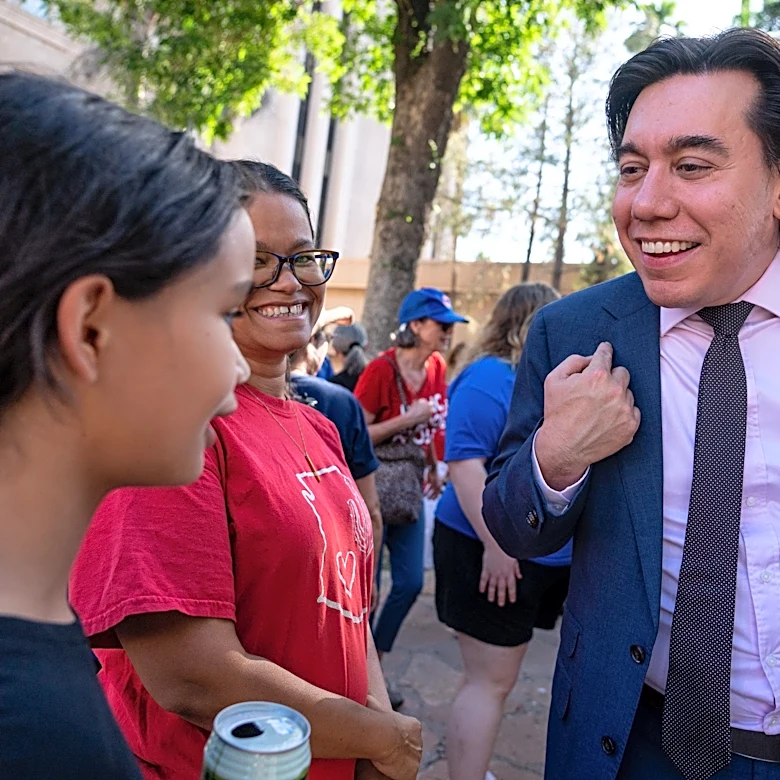
Dr. Allison Matulli, author of the new picture book 'We Are Free: Our First Amendment Rights,' reflects on the critical role of public libraries in fostering democracy and freedom of expression, especially during Banned Books Week. Matulli, an attorney,
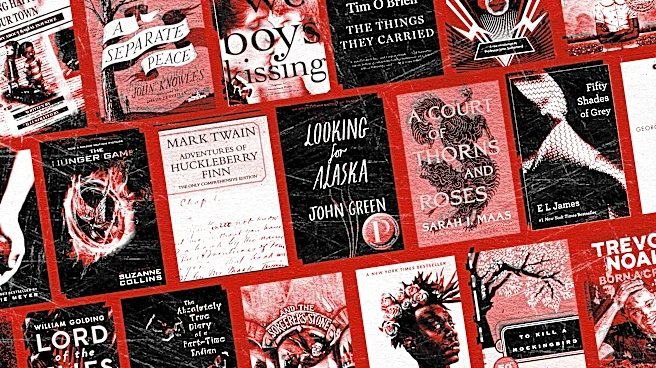
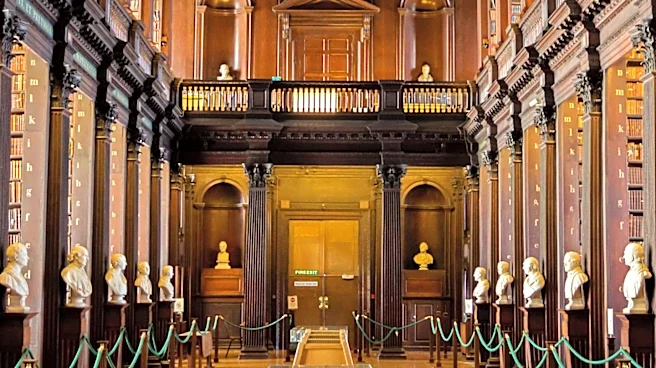
Montessori teacher, and First Amendment fellow, shares her personal experience as a child of an immigrant mother, highlighting how public libraries provided accessible knowledge and a sense of equal ownership in democracy. She contrasts this with a private library she encountered, emphasizing that public libraries offer universal access to information. Matulli notes a concerning trend of increased attempts to restrict access to books and censor diverse perspectives, as reported by nonpartisan organizations like PEN America, placing librarians on the front lines of defending these freedoms.
Why It's Important?
The increasing number of book bans and challenges to library collections across the U.S. represents a significant threat to intellectual freedom and democratic principles. Public libraries serve as vital institutions that ensure equitable access to information, diverse viewpoints, and the opportunity for individuals, particularly children, to develop critical thinking skills and form their own opinions. When books are removed, it limits children's exposure to different ideas, cultures, and experiences, potentially hindering their ability to feel seen or cultivate civic curiosity. This erosion of access can undermine the foundational American value of free inquiry and the collective promise that underpins a healthy democracy, where all citizens have the right to read, inquire, and disagree.
What's Next?
The ongoing debate surrounding book bans is expected to continue, with librarians and advocates like Dr. Matulli actively working to defend intellectual freedom. Organizations such as PEN America will likely persist in monitoring and reporting on censorship attempts, while authors and educators will continue to create and promote diverse literature. Public awareness campaigns, such as Banned Books Week, will remain crucial in highlighting these issues and mobilizing support for libraries. The future will likely see continued legal and community-level challenges against book restrictions, as stakeholders strive to protect the public library's role as a sanctuary for open access to knowledge and a cornerstone of democratic participation.
Beyond the Headlines
The current wave of book bans extends beyond simple content disputes; it reflects deeper societal tensions regarding cultural values, parental rights, and the role of education in shaping future generations. These actions often target books that feature diverse characters or explore themes of race, gender, and identity, leading to concerns about the marginalization of certain voices and experiences. The debate also raises questions about who decides what is appropriate for public consumption and the potential for such restrictions to create a less informed and less tolerant society. Ultimately, the struggle over book bans is a battle for the narrative of American identity and the future of its democratic ideals, where the freedom to read is intrinsically linked to the freedom to think and participate fully in civic life.