






What's Happening?
U.S. Treasury Secretary Scott Bessent has indicated that a deal with Iran regarding the Strait of Hormuz may be imminent, creating optimism in the oil market. His statements have led to a significant drop in oil prices, with Brent crude falling by 5.3%
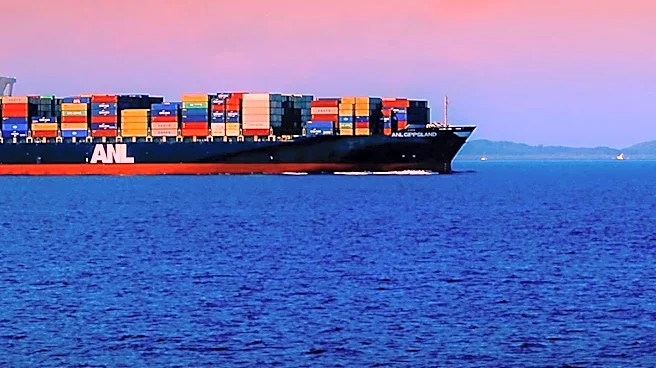
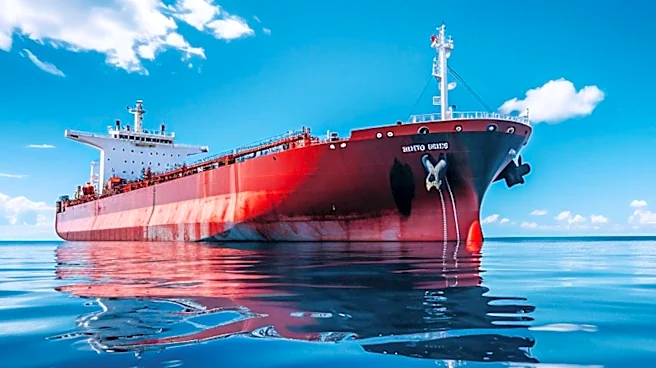
and U.S. WTI oil by 5.7% on Tuesday, although prices have slightly rebounded since. The U.S. Central Command has confirmed that the southern sea route through Oman's waters remains open for commercial shipping, despite ongoing tensions with Iran. The military has reportedly assisted over 1,000 ships in navigating the area safely, underscoring the strategic importance of the Strait of Hormuz for global oil transportation.
Why It's Important?
The potential agreement with Iran is crucial as it could ease geopolitical tensions in a region critical to global oil supply. The Strait of Hormuz is a vital chokepoint through which a significant portion of the world's oil passes. Any disruption in this area can have substantial implications for global oil prices and energy security. The U.S. government's efforts to negotiate with Iran may stabilize the oil market, benefiting consumers and industries reliant on stable energy prices. However, the situation remains delicate, and the outcome of these negotiations could have far-reaching effects on international relations and economic stability.
What's Next?
If a deal is reached, it could lead to a reduction in regional tensions and a more stable oil market. The U.S. and Iran may continue diplomatic engagements to ensure the safe passage of ships through the Strait of Hormuz. Oil market stakeholders, including producers and consumers, will be closely monitoring developments. A successful agreement could lead to a more predictable oil price environment, while failure to reach a deal might result in continued volatility. The international community will also be watching for any shifts in U.S.-Iran relations that could impact broader geopolitical dynamics.