



What's Happening?
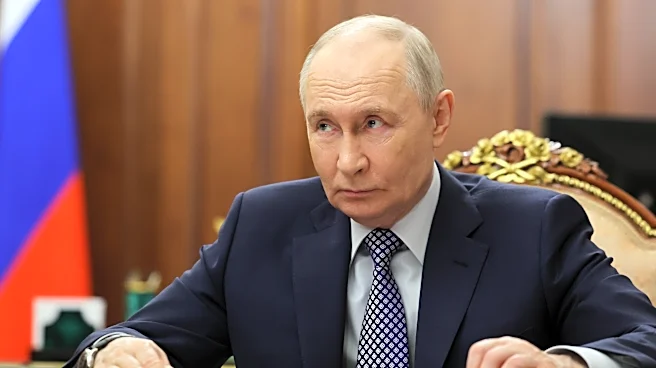
Russia and Ukraine have accused each other of violating a ceasefire declared by Russian President Vladimir Putin for the Orthodox Easter weekend. The ceasefire was intended to last 32 hours, from Saturday afternoon until Sunday evening. Despite the agreement,
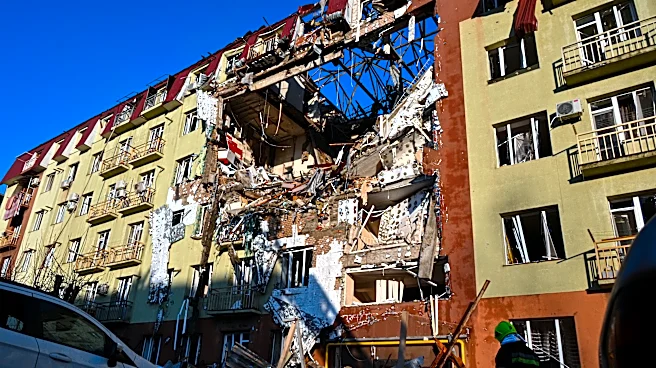
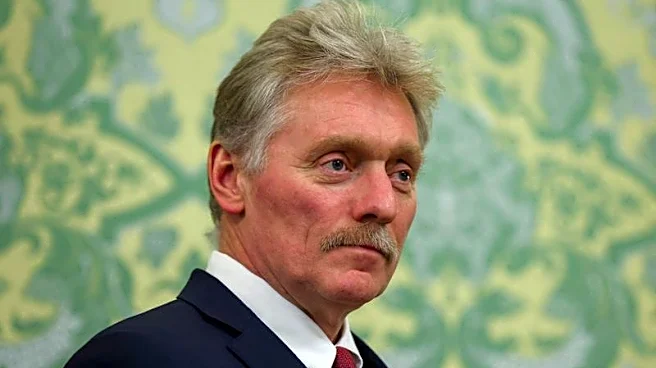
both sides reported numerous violations. Ukraine's military recorded 2,299 violations, including assaults, shelling, and drone attacks. Russia's Defense Ministry reported 1,971 violations, claiming Ukraine used artillery, tanks, and drones. Kremlin spokesman Dmitry Peskov stated that Russia would not extend the truce unless Ukrainian President Volodymyr Zelenskyy accepted its terms. The ceasefire was part of ongoing efforts to negotiate peace, but skepticism remains high due to previous failed attempts.
Why It's Important?
The failure to uphold the ceasefire highlights the ongoing challenges in achieving peace between Russia and Ukraine. The conflict, which began with Russia's invasion in February 2022, has seen multiple attempts at negotiation, often brokered by the U.S., but with little success. The continued hostilities have significant implications for regional stability and international relations. The inability to maintain a ceasefire during a religious holiday underscores the deep-seated tensions and mistrust between the two nations. The situation affects not only the immediate region but also global political dynamics, as Western nations continue to support Ukraine diplomatically and militarily.
What's Next?
The immediate future remains uncertain as both sides prepare for the potential resumption of hostilities following the ceasefire's expiration. The international community, particularly Western nations, may increase diplomatic efforts to broker a more lasting peace agreement. However, the entrenched positions of both Russia and Ukraine suggest that significant concessions would be required to achieve a breakthrough. The ongoing conflict will likely continue to impact global energy markets, given Russia's role as a major energy supplier, and could influence international diplomatic alignments.
Beyond the Headlines
The repeated failure of ceasefires during religious holidays raises questions about the role of cultural and religious considerations in conflict resolution. The use of religious occasions as a backdrop for ceasefires may be seen as symbolic gestures rather than genuine efforts to achieve peace. This pattern could lead to further disillusionment among civilians affected by the conflict, potentially eroding public support for future peace initiatives. Additionally, the conflict's persistence may influence global perceptions of international law and the effectiveness of diplomatic interventions.