









What's Happening?
PragerU is promoting the idea of renewed U.S. lunar exploration through Project Artemis, arguing that going back to the Moon is essential for the American spirit of exploration. The organization highlights the historical context of the Apollo program,
initiated by President John F. Kennedy in response to Soviet advancements in space, which culminated in the 1969 Moon landing. After six successful missions, the U.S. stopped lunar exploration. PragerU contends that this cessation led to a loss of national ambition and that Project Artemis, named after Apollo's twin sister, aims not just to visit but to establish a lasting human presence on the Moon, serving as a stepping stone to Mars and beyond. This initiative is framed as a spiritual necessity for America, fostering new knowledge, tools, and industries.
Why It's Important?
The advocacy for Project Artemis by PragerU underscores a broader national conversation about scientific ambition, economic innovation, and national identity. Renewed lunar exploration could stimulate significant advancements in science and technology, leading to new industries and job creation, similar to the 'spin-off technologies' that resulted from the Apollo program. It also serves as a powerful symbol of national capability and leadership on the global stage. For the U.S., re-engaging in ambitious space endeavors could inspire a new generation of scientists and engineers, fostering a culture of innovation and problem-solving. The economic implications include potential resource extraction from the Moon and the development of new space-related commercial ventures, impacting various sectors from manufacturing to advanced computing.
What's Next?
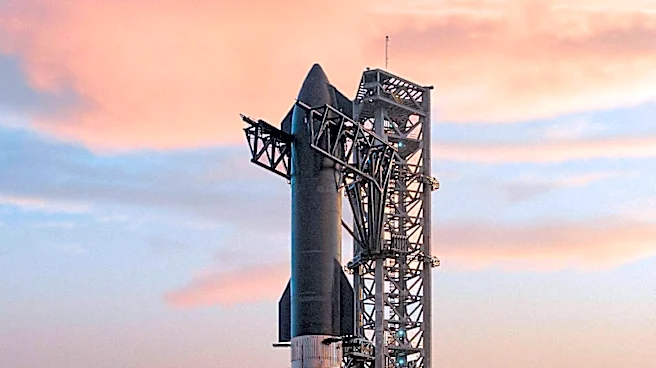
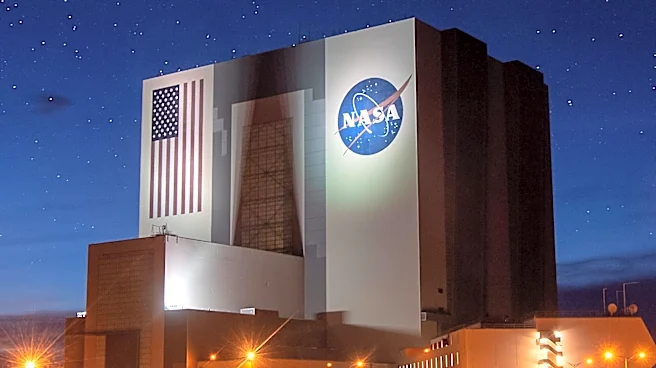
The future of U.S. lunar exploration, particularly Project Artemis, will depend on sustained political will, public support, and significant financial investment. PragerU's advocacy contributes to shaping public opinion and potentially influencing policy decisions regarding space funding and priorities. NASA, as the primary agency, will continue to develop and execute the Artemis missions, which involve international partnerships and private sector collaboration. Key milestones include further uncrewed test flights, followed by crewed missions to orbit the Moon, and eventually landing astronauts on the lunar surface. The long-term vision includes establishing a lunar base and preparing for human missions to Mars, requiring continuous technological development and strategic planning.
Beyond the Headlines
The push for renewed lunar exploration, as articulated by PragerU, delves into profound philosophical and cultural implications. It suggests that space exploration is not merely a scientific or economic endeavor but a fundamental aspect of the American identity—a 'spiritual necessity.' This perspective implies that national greatness is tied to pushing boundaries and achieving the seemingly impossible. The narrative also touches on themes of resilience and overcoming challenges, referencing the sacrifices made during the Apollo program. By framing Project Artemis as a means to 'return us to ourselves,' PragerU highlights the idea that grand national projects can unify a populace, restore a sense of purpose, and remind a nation of its capacity for leadership and innovation, fostering a collective sense of achievement and future-oriented thinking.