





What's Happening?
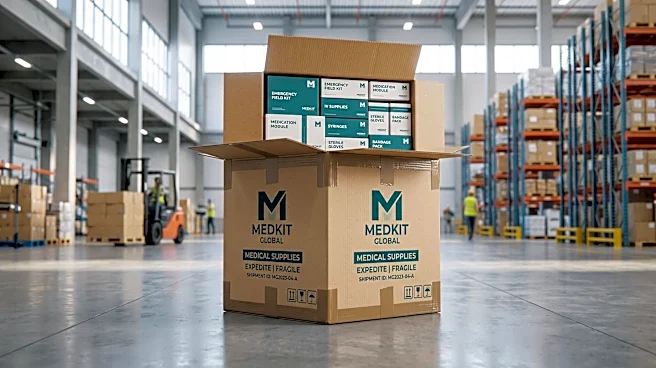
Direct Relief recently distributed 380 shipments of medical aid, totaling 10.2 million defined daily doses of medication, to organizations across 41 U.S. states and territories, as well as 26 other countries. These shipments included critical medications
for cystic fibrosis, cancer therapies, diabetes treatments, and cold-chain equipment. Internationally, Direct Relief has significantly bolstered Chad's pharmaceutical cold chain by donating 23 refrigerators to provincial supply centers, an initiative supported by the Ministry of Public Health and Prevention. This builds on a partnership established in 2024, which has seen 43 shipments of medical aid to Chad, including midwife kits and HPV vaccines. In Ukraine, Direct Relief is supporting the Penn Center for Global Health's Ukraine Reconstruction Program, which recently completed a surgical training mission in Mukachevo. This mission involved an international team of reconstructive surgeons providing hands-on training to Ukrainian colleagues on treating complex combat-related extremity injuries, aiming to build sustainable local reconstructive care capacity. Additionally, Direct Relief provided essential medicines and supplies for a free medical and dental camp in flood-affected Nepal, organized by Mountain Heart Nepal, which served approximately 200 patients.
Why It's Important?
The efforts by Direct Relief are crucial for strengthening healthcare infrastructure and providing essential medical services both domestically and internationally. In the U.S., the distribution of specialized medications addresses critical health needs for patients with chronic and severe conditions. Globally, the donation of cold-chain equipment in Chad is vital for ensuring the safe storage and distribution of temperature-sensitive medicines, particularly in remote areas, which directly impacts public health outcomes and disease prevention efforts like vaccination campaigns. The surgical training program in Ukraine is particularly significant as it addresses the long-term medical needs arising from conflict, empowering local medical professionals to manage complex injuries independently and reducing the burden on patients needing to travel abroad for specialized care. This approach fosters self-sufficiency and resilience in healthcare systems. The medical camp in Nepal highlights the immediate humanitarian response needed in disaster-affected regions, ensuring continuity of care for vulnerable populations whose access to medical services has been disrupted.
What's Next?
Direct Relief will likely continue its ongoing efforts to deliver medical aid and support healthcare initiatives globally. The organization's partnerships, such as with Chad's Ministry of Public Health, suggest continued collaboration to further modernize healthcare infrastructure and expand preventive care programs. In Ukraine, the surgical training model aims to create a sustainable, locally led system of reconstructive care, implying future missions or ongoing support to further develop local expertise. The success of these training programs could lead to their replication in other conflict-affected regions. Domestically, Direct Relief will continue to respond to requests from partner organizations across the U.S., ensuring the supply of critical medications. The organization's broader strategy involves continuous assessment of global health needs and deployment of resources to address emerging crises and long-term health challenges, including those exacerbated by climate events and conflicts.
Beyond the Headlines
The work of organizations like Direct Relief underscores the interconnectedness of global health and the critical role of non-governmental organizations in filling gaps left by national healthcare systems, especially in vulnerable regions. The focus on building local capacity, as seen in Ukraine's surgical training, represents a shift from purely aid-dependent models to sustainable development, fostering long-term resilience rather than temporary relief. This approach has broader implications for international aid strategies, emphasizing empowerment and self-sufficiency. Furthermore, the investment in cold-chain infrastructure in countries like Chad highlights the often-overlooked logistical challenges in global health, where the effectiveness of life-saving medicines depends not just on their availability but also on proper storage and distribution. These efforts also touch upon ethical considerations of equitable access to healthcare, particularly for populations in remote or crisis-affected areas, reinforcing the idea that health is a universal right.