






What's Happening?
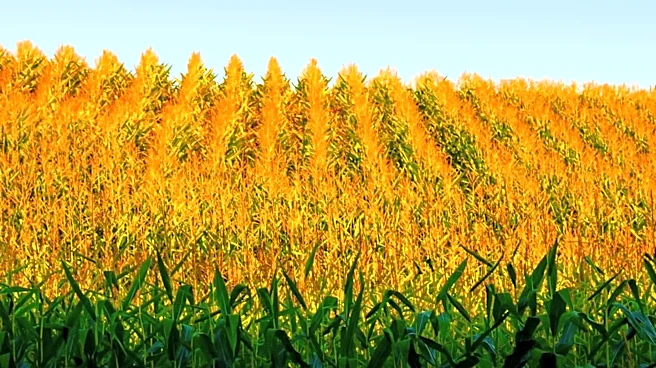
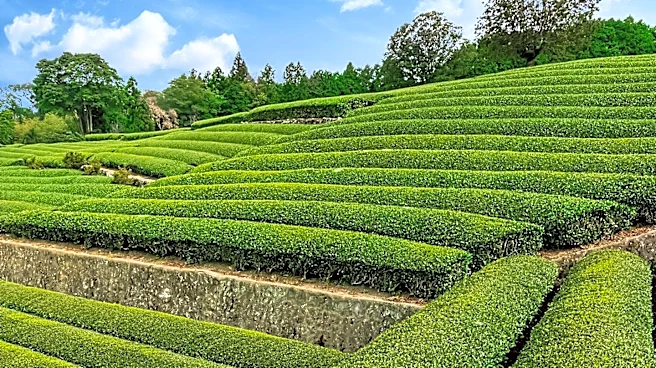
Organic farming is defined by a holistic approach that prioritizes healthy soil, natural farming methods, and the avoidance of synthetic chemicals. This practice focuses on sustainability, integrity, and long-term success, aiming to build stronger soil, cultivate
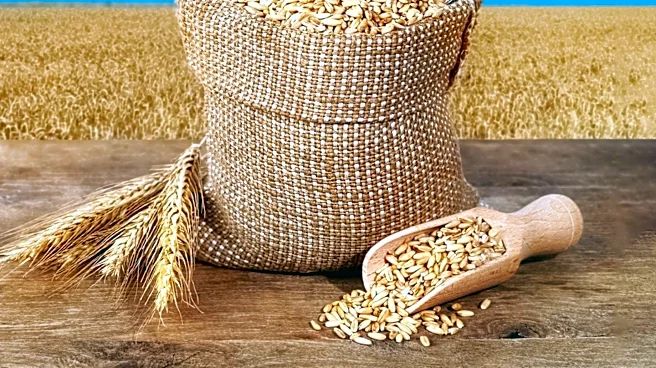
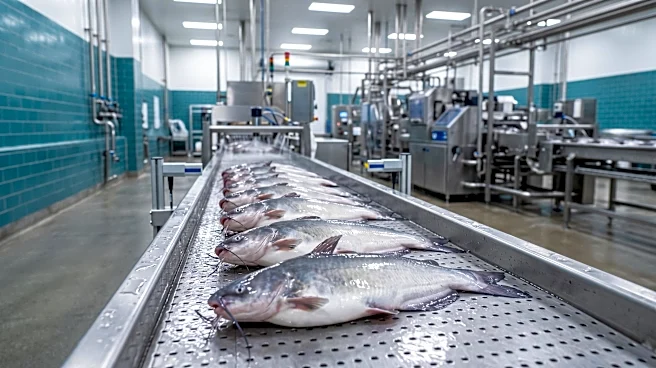
healthier crops, protect clean water, and foster a healthier environment for future generations. The United States Department of Agriculture (USDA) mandates that any entity involved in growing, processing, or handling organic products must obtain certification before marketing them as 'organic' or using the USDA organic seal. To achieve this certification, producers and businesses are required to develop and adhere to an organic system plan that details how they meet established organic standards. This certification, often backed by seals from both the USDA and PCO Certified Organic, assures consumers that products are grown and produced in strict accordance with federal organic standards, thereby instilling confidence in the product's quality, transparency, and the responsible farming practices employed.
Why It's Important?
Organic certification plays a crucial role in the U.S. market by establishing a clear standard for products labeled 'organic,' which directly impacts consumer trust and purchasing decisions. As consumers increasingly prioritize the origin and production methods of their food and goods, organic certification provides a verifiable assurance of quality and integrity. This commitment to sustainability and responsible farming practices resonates with a growing segment of the population concerned about environmental protection, community health, and animal welfare. For businesses, organic certification serves as a powerful differentiator in a competitive marketplace, allowing them to attract health- and environmentally-conscious consumers. It also strengthens brand credibility, opens doors to new retail and distribution channels, and demonstrates a commitment to sustainable production, which can enhance market appeal and long-term success.
What's Next?
The trend towards increased consumer demand for organic products is expected to continue, driving more producers and businesses to seek organic certification. This will likely lead to further expansion of the organic market across various sectors, including packaged foods, beverages, personal care products, and textiles. As the market grows, regulatory bodies like the USDA will continue to oversee and enforce organic standards, ensuring the integrity of the 'organic' label. Businesses that invest in organic certification can anticipate enhanced market access and stronger consumer loyalty. Furthermore, ongoing consumer education about the benefits of organic farming and the meaning of certification will likely reinforce the value proposition of organic products, potentially influencing broader agricultural practices and supply chain transparency in the U.S.
Beyond the Headlines
The emphasis on organic certification extends beyond mere product labeling; it signifies a broader shift in agricultural philosophy towards ecological balance and long-term environmental stewardship. By promoting practices that build soil health and avoid synthetic chemicals, organic farming contributes to biodiversity preservation and reduces the ecological footprint of food production. This approach also has ethical implications, as it often involves higher standards for animal welfare and fair labor practices, aligning with consumer values that extend beyond just the product itself. The increasing demand for organic products could also influence policy discussions around agricultural subsidies, land use, and environmental regulations, potentially encouraging more sustainable practices across the entire food system and fostering a more resilient and environmentally conscious economy.