





What's Happening?
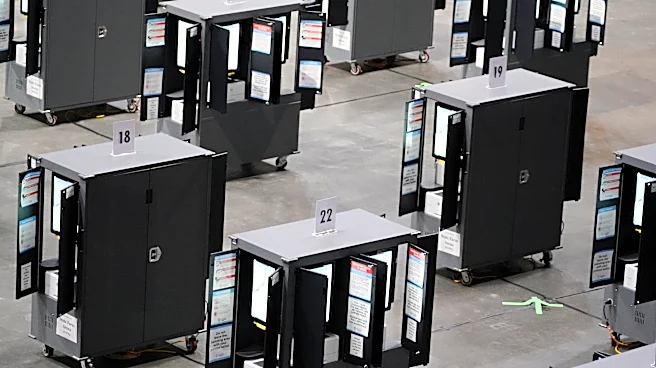
Representative Chrissy Houlahan, alongside four other Pennsylvania House Democrats, has formally requested detailed information from the Cybersecurity and Infrastructure Security Agency (CISA) regarding preparations for election cybersecurity. The request,
addressed to CISA Regional Director William J. Ryan, seeks insights into how Pennsylvania election officials are safeguarding against cyberattacks, ransomware, foreign influence efforts, threats to election workers, physical incidents, and misinformation. This initiative comes amidst reported reductions in staffing and funding at CISA, raising concerns among lawmakers about the availability of federal resources to protect voters, election workers, and critical election infrastructure. The Democrats have set a deadline of September 25, 2026, for CISA to provide a response to their inquiries.
Why It's Important?
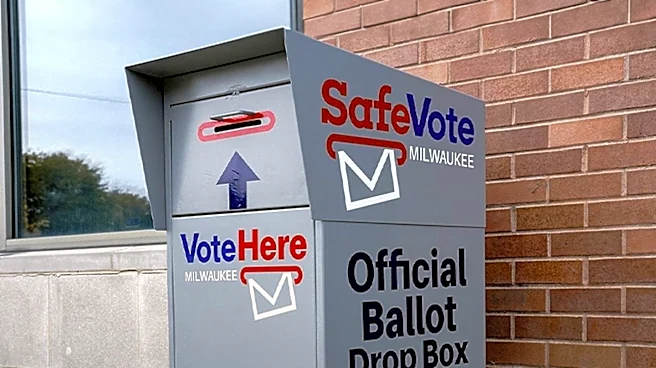
This request highlights growing concerns among U.S. lawmakers regarding the integrity and security of the nation's electoral processes, particularly in the face of evolving cyber threats and potential foreign interference. Election cybersecurity is a critical component of maintaining public trust in democratic institutions. The reported cuts to CISA's staffing and funding could potentially weaken the agency's capacity to provide essential support and guidance to state and local election officials, leaving election infrastructure more vulnerable. Pennsylvania, as a key swing state, plays a significant role in national elections, making its election security measures particularly scrutinized. Ensuring robust cybersecurity protocols is vital to prevent disruptions, protect voter data, and counter misinformation campaigns that could undermine election outcomes and public confidence.
What's Next?
CISA is expected to respond to the Pennsylvania Democrats' request by the September 25, 2026, deadline, outlining the measures being taken to secure the state's elections. The information provided by CISA will likely inform further legislative actions or calls for increased federal funding and resources for election security. Depending on CISA's response, there could be renewed pressure from lawmakers and advocacy groups to address any identified vulnerabilities or resource gaps. The ongoing dialogue between Congress and CISA will be crucial in shaping future election security policies and ensuring that federal agencies are adequately equipped to support states in protecting their electoral systems from a range of threats.
Beyond the Headlines
The focus on election cybersecurity extends beyond immediate technical safeguards; it touches upon the broader issue of democratic resilience in the digital age. The concerns raised by Representative Houlahan and her colleagues underscore the persistent challenge of balancing technological advancements with the need for secure and transparent electoral processes. The reported CISA funding cuts also bring to light the ongoing debate about federal investment in critical infrastructure protection and national security. This situation could trigger a re-evaluation of how federal agencies are resourced to combat sophisticated cyber threats, not just in elections but across various sectors. The long-term implications involve fostering a more secure digital environment for democratic participation and ensuring that the public remains confident in the integrity of their votes.