




What's Happening?
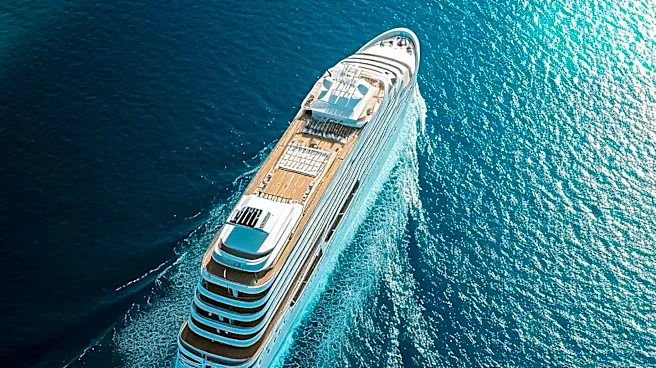
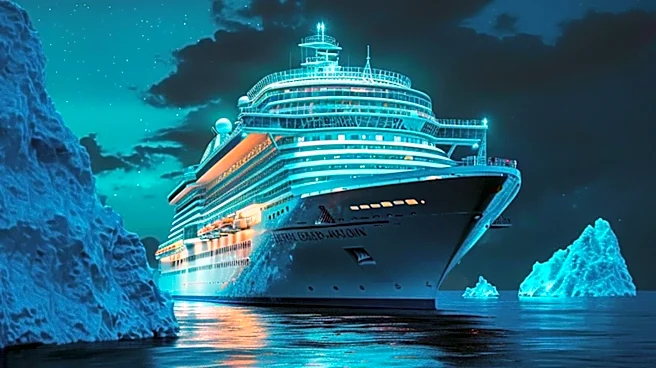
A study published in 'Annals of Tourism Research' reveals that many former Antarctic tour guides are resigning from their 'dream jobs' due to growing concerns over the environmental impact of the booming cruise industry in the region. Researchers interviewed
25 former guides who cited 'tipping point' incidents, such as ships breaking through sea ice for tourist access, a penguin chick being caught in a boot hole, and a whale being struck by a vessel despite warnings. These guides expressed disillusionment with the industry's practices, questioning the sustainability of bringing large numbers of visitors to such a delicate ecosystem. The study highlights that Antarctic tourism is rapidly expanding, with approximately 120,000 travelers visiting annually, and projections indicate a significant increase in these numbers.
Why It's Important?
This trend among Antarctic tour guides has significant implications for the U.S. and global tourism industries, particularly in the luxury and expedition travel sectors. It underscores a growing ethical dilemma for travelers and operators: the desire for unique experiences versus the imperative of environmental preservation. For U.S. travelers, it raises awareness about the carbon footprint and ecological damage associated with long-distance, high-impact tourism. For U.S. tour operators and cruise lines, it signals increasing scrutiny from both employees and environmentally conscious consumers, potentially leading to demands for more sustainable practices and transparent reporting of environmental impacts. The departure of experienced guides also represents a loss of valuable expertise and a challenge for the industry to maintain high standards of safety and environmental stewardship in a fragile environment.
What's Next?
The findings of this study are likely to intensify calls for stricter regulations and more sustainable practices within the Antarctic tourism industry. Stakeholders, including environmental organizations, governments, and responsible tourism advocates, may push for caps on visitor numbers, limitations on ship sizes, and enhanced environmental protection protocols. Tour operators might respond by investing in greener technologies, implementing more rigorous environmental training for staff, and promoting 'leave no trace' principles more aggressively. Travelers, particularly those from the U.S., are expected to become more discerning, seeking out operators with verifiable commitments to sustainability. There could also be a rise in 'conscious travel' movements, encouraging alternatives to high-carbon footprint trips, such as virtual reality experiences or local eco-tourism initiatives.
Beyond the Headlines
The resignation of these guides illuminates a deeper conflict between economic development and ecological preservation, particularly in pristine environments. It highlights the psychological toll on individuals who witness environmental degradation firsthand in their professional roles, leading to moral distress and career changes. This phenomenon could extend to other sensitive ecosystems globally, prompting a re-evaluation of 'dream jobs' that inadvertently contribute to environmental harm. The study also brings to light the power of individual conscience in driving change within industries, even when facing significant personal and professional costs. Ultimately, it challenges the very definition of 'luxury travel,' suggesting that true luxury might increasingly be defined by minimal environmental impact and authentic, respectful engagement with nature, rather than mere exclusivity or exoticism.