







What's Happening?
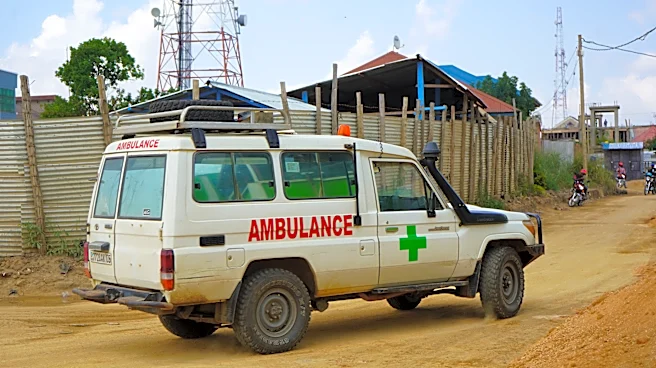
Health officials are facing significant challenges in controlling the current Ebola outbreak in the Democratic Republic of Congo. The outbreak has resulted in over 1,000 deaths and more than 2,400 infections. A major issue is the inability to effectively
trace contacts of infected individuals, with over 80% of new cases emerging outside known contact chains. This situation is exacerbated by the region's transient workforce and ongoing conflict, which complicates efforts to track and manage the spread of the virus. The World Health Organization (WHO) is responding by training 21,000 community workers to improve contact tracing efforts. However, many cases remain undetected as individuals avoid clinics due to stigma and mistrust, often seeking care from traditional healers or staying home.
Why It's Important?
The inability to control the Ebola outbreak poses a significant threat to public health, not only in the affected region but potentially beyond, due to the virus's high mortality rate and ease of transmission through bodily fluids. The lack of effective contact tracing means that many cases go unreported, leading to delayed treatment and lower survival rates. This situation highlights the critical need for improved public health infrastructure and community trust in medical interventions. The outbreak also underscores the importance of international cooperation and support in addressing global health crises, as the spread of such diseases can have far-reaching consequences.
What's Next?
Efforts to control the outbreak will focus on enhancing contact tracing capabilities and building trust within affected communities. The introduction of clinical trials for potential treatments and preventive drugs offers hope for better management of the disease. However, these therapies are currently limited to trial settings, and expanding access will be crucial. Health officials aim to encourage more individuals to seek medical help by demonstrating the availability of effective care and treatments. Success in these areas could significantly reduce the outbreak's impact and prevent further spread.
Beyond the Headlines
The outbreak highlights deeper issues such as the stigma associated with Ebola and the mistrust of medical science in certain regions. Addressing these cultural and social barriers is essential for effective disease management. Building trust through community engagement and education, alongside the provision of promising treatments, could change perceptions and improve cooperation with health initiatives. Long-term, this situation may prompt a reevaluation of global health strategies and the need for robust systems to handle infectious disease outbreaks.