
What's Happening?
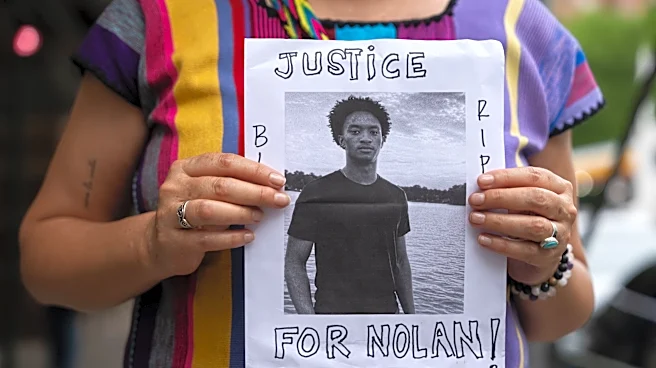
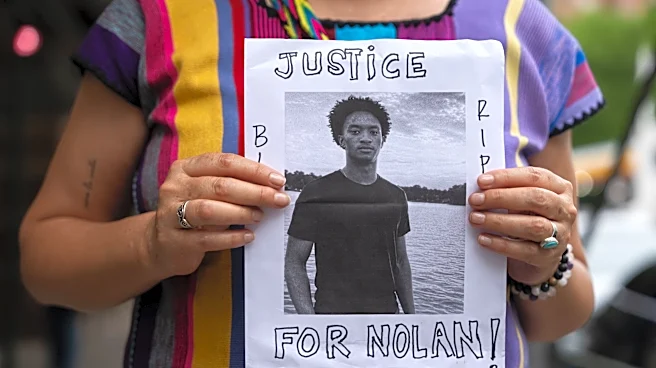
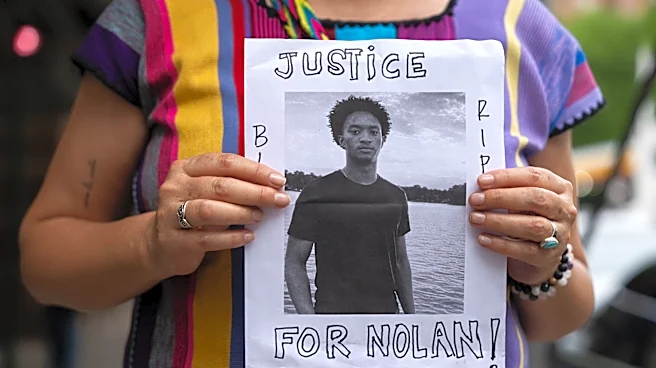
U.S. Senator Cindy Hyde-Smith (R-Miss.) reportedly avoided answering questions from Daniel Grimes, a correspondent for The Don Lemon Show, regarding the death of Nolan Wells, an 18-year-old Black man from Mississippi.
The incident occurred in a publicly accessible area of the Hart Senate Office Building where journalists typically conduct interviews. According to video provided by Grimes' newsroom, Senator Hyde-Smith stated, "I don't do hallway interviews" as Grimes attempted to inquire about a Mississippi grand jury's decision not to indict anyone in Wells' death. Capitol Police officers subsequently intervened, with one officer approaching Grimes and another stepping between him and the senator. Grimes, a credentialed journalist, reported that an officer briefly placed a hand on his shoulder and that officers used their bodies to box him in. Neither Senator Hyde-Smith's office nor the Capitol Police responded to requests for comment regarding the incident. The Senate Radio-TV Correspondents Gallery's rules on filming in Capitol subways vary, and it is unclear which rules applied at the specific location of the encounter.
Why It's Important?
This incident raises significant concerns about press access and transparency in government, particularly regarding public officials' accountability to their constituents and the media. Senator Hyde-Smith's refusal to address questions about a constituent's death, especially one that has garnered significant attention within the African American community in Mississippi, can be perceived as a lack of responsiveness and an attempt to evade public scrutiny. The involvement of Capitol Police in preventing a journalist from asking questions in a public space further complicates the issue, potentially setting a precedent that could restrict journalistic freedom and access to lawmakers. This event contributes to a broader narrative of increasing pressure on journalists and challenges to their ability to report on matters of public interest. It also highlights the tension between a public official's right to decline interviews and a journalist's role in seeking answers on behalf of the public, particularly when the subject matter involves a sensitive and unresolved community issue.
What's Next?
The immediate aftermath of this incident may involve continued scrutiny from media organizations and advocacy groups regarding press access within the Capitol. Journalists like Daniel Grimes may persist in seeking answers from Senator Hyde-Smith regarding Nolan Wells' death and the grand jury's decision. The broader discussion around press freedom and the treatment of journalists by public officials and law enforcement is likely to continue, potentially leading to calls for clearer guidelines or enforcement of existing rules regarding media interactions in congressional buildings. The ongoing dispute over press access, as highlighted by Don Lemon, suggests that this incident is part of a larger trend that could prompt media organizations to collectively advocate for stronger protections for journalists. The family of Nolan Wells continues to seek answers, and the deletion of Snapchat data from Wells' phone, as revealed by a digital forensic examiner, may lead to further investigations or public pressure for more transparency regarding the circumstances of his death.
Beyond the Headlines
This event touches upon fundamental principles of democratic governance, including the public's right to information and the role of a free press in holding elected officials accountable. The use of law enforcement to prevent questioning, even if not explicitly requested by the senator, can create a chilling effect on journalism and erode public trust in government transparency. It also underscores the challenges faced by local communities, particularly marginalized ones, in getting their concerns addressed by federal representatives. The death of Nolan Wells, with its unresolved questions and the grand jury's decision, represents a significant local issue that, when unaddressed by a senator, can deepen feelings of disenfranchisement. This incident contributes to a broader national conversation about the relationship between politicians, the media, and the public, and the evolving norms of political communication in an era of heightened polarization and distrust. It also highlights the ethical responsibility of public servants to engage with difficult questions, even when uncomfortable, as a core component of their duty.