




What's Happening?
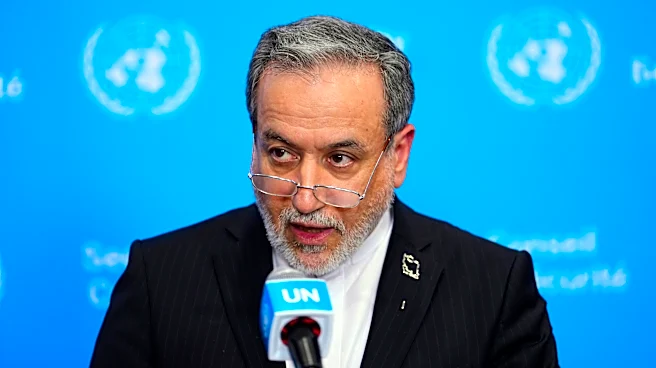
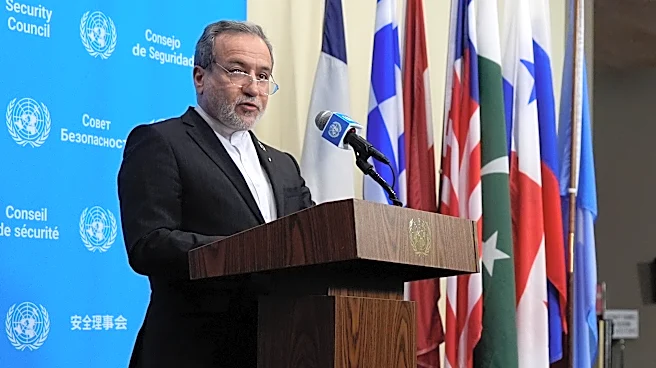
Ambassador Đỗ Hùng Việt, Vietnam's Permanent Representative to the United Nations, addressed a high-level General Assembly meeting, advocating for open communication among nuclear-armed states. The meeting, held on the International Day for the Total
Elimination of Nuclear Weapons (September 26), saw Ambassador Việt express concern over declining commitments to nuclear disarmament, the expansion of nuclear arsenals, and increased reliance on nuclear deterrence. He emphasized the need to uphold international law and strengthen multilateral frameworks such as the Treaty on the Non-Proliferation of Nuclear Weapons (NPT), the Comprehensive Nuclear-Test-Ban Treaty (CTBT), and the Treaty on the Prohibition of Nuclear Weapons (TPNW). UN Secretary-General António Guterres echoed these concerns, warning that nuclear weapons continue to pose a significant threat to humanity, with arsenals expanding and modernizing, increasing the risk of error. Countries of the Non-Aligned Movement (NAM) affirmed that the complete elimination of nuclear weapons is the only absolute guarantee against their threat or use, urging nuclear-weapon states to fulfill their obligations under Article VI of the NPT and implement disarmament measures.
Why It's Important?
The call for dialogue and disarmament from Vietnam and the Non-Aligned Movement highlights a critical global security concern. The expansion and modernization of nuclear arsenals, coupled with a growing reliance on nuclear deterrence, increase the potential for miscalculation and accidental conflict, which could have catastrophic global consequences. For the U.S., as a nuclear-armed state, these calls underscore the international community's expectation for leadership in disarmament efforts and adherence to non-proliferation treaties. Failure to engage in meaningful dialogue and reduce nuclear risks could lead to heightened geopolitical tensions and a more unstable international environment. The emphasis on strengthening multilateral frameworks like the NPT is crucial for maintaining global stability and preventing the spread of nuclear weapons, directly impacting U.S. foreign policy and national security interests. The concerns raised by the UN Secretary-General about technological advancements increasing the odds of mistake further emphasize the urgency of these discussions.
What's Next?
Following these calls, the international community will likely continue to press nuclear-weapon states to engage in dialogue and take concrete steps towards disarmament. Vietnam has affirmed its commitment to actively contribute to international efforts in promoting nuclear disarmament and non-proliferation, strengthening multilateralism and international law. This could involve further diplomatic initiatives, resolutions within the UN General Assembly, and continued advocacy from the Non-Aligned Movement. Nuclear-weapon states, including the U.S., will face ongoing pressure to sign and ratify protocols like the Treaty on the Southeast Asia Nuclear Weapon-Free Zone (SEANWFZ) and to reduce the role of nuclear weapons in their security policies. The focus will remain on advancing the entry into force of the Comprehensive Nuclear-Test-Ban Treaty and working towards the complete elimination of nuclear weapons, with future UN meetings and international conferences serving as platforms for these discussions and potential policy shifts.
Beyond the Headlines
Beyond the immediate calls for dialogue, this situation reflects a deeper global anxiety about the long-term implications of nuclear proliferation and the erosion of arms control agreements. The concerns raised by Vietnam and the UN Secretary-General point to a potential shift in international relations, where the perceived stability offered by nuclear deterrence is increasingly being questioned against the backdrop of technological advancements and geopolitical complexities. The emphasis on multilateralism and international law by the Non-Aligned Movement suggests a desire to re-establish a more equitable and rules-based global order, challenging the dominance of nuclear powers. This could lead to increased pressure on the U.S. and other nuclear states to re-evaluate their nuclear doctrines and engage in more transparent and verifiable disarmament processes, potentially reshaping global security architectures and fostering new alliances among non-nuclear states advocating for a world free of nuclear weapons.