



What's Happening?
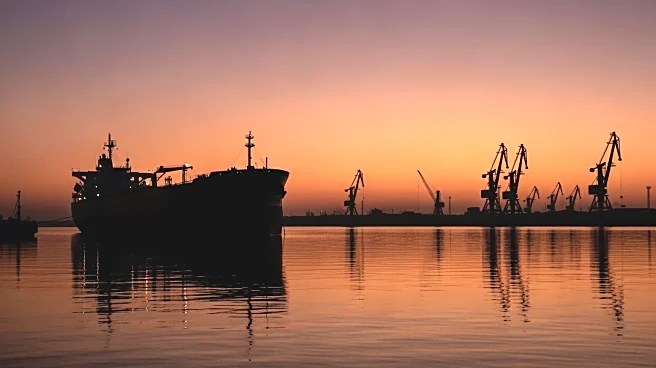
A Greek-owned fuel tanker, Nicos I.V., has been reported arriving at a Cuban fuel terminal in Matanzas, amid severe fuel shortages on the island. The tanker, which has a capacity of over 300,000 barrels, is the first known shipment to reach Cuba since
early January. This development follows the Trump administration's full embargo on fuel to Cuba, aimed at pressuring the Communist government. The U.S. had previously intercepted another tanker, Seahorse, en route from Venezuela to Cuba. Despite the embargo, the U.S. allowed two Mexican ships to deliver humanitarian aid, though not fuel, to Cuba. Meanwhile, Russia is monitoring the situation closely, with discussions underway on how it might provide aid, as a Russian airline has suspended flights due to fuel shortages.
Why It's Important?
The arrival of the Greek tanker in Cuba highlights the ongoing geopolitical tensions involving the U.S., Cuba, and other international players like Russia and Mexico. The U.S. embargo is part of a broader strategy to exert pressure on Cuba's government, which could have significant implications for U.S.-Cuba relations and regional stability. The fuel shortages are causing economic strain in Cuba, affecting daily life and potentially leading to humanitarian issues. The involvement of Russia and Mexico indicates a complex international response, with potential shifts in alliances and economic dependencies. The situation underscores the delicate balance of international diplomacy and economic sanctions in addressing political objectives.
What's Next?
Cuba may continue to seek alternative sources of fuel and international support to mitigate the impact of the U.S. embargo. The U.S. might face international scrutiny or diplomatic pressure to ease restrictions, especially if humanitarian conditions worsen. Russia's potential aid could strengthen its influence in the region, while Mexico's involvement may bolster its diplomatic standing. The U.S. could consider limited humanitarian shipments to alleviate some pressure, but significant policy changes are unlikely without broader political negotiations. The situation remains fluid, with potential for further developments in international relations and economic strategies.