



What's Happening?
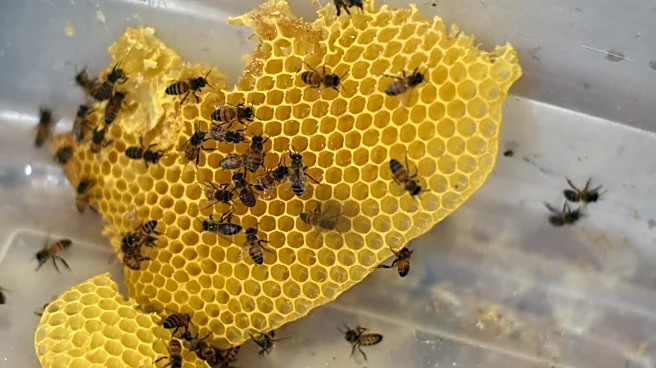
On Monday morning, a bee swarm incident occurred at the Intel Corporation campus in Chandler, Arizona, near Dobson and Octotillo roads. Chandler Fire Department officials were dispatched to the scene around 9 a.m. following reports of an individual with
numerous bee stings and multiple other affected patients. Emergency responders treated a total of ten people for bee stings. Three of these individuals were transported to hospitals in stable condition, while the remaining seven received treatment at the scene and were subsequently released. Authorities currently lack information regarding the cause of the bee swarm's agitation.
Why It's Important?
This incident highlights potential workplace safety concerns, particularly in outdoor or semi-outdoor environments where natural elements like insect swarms can pose unexpected hazards. For large corporations like Intel, ensuring the safety and well-being of employees and visitors on their extensive campuses is paramount. Such events can lead to temporary disruptions in operations, require immediate emergency response, and potentially result in medical costs and lost productivity. The lack of immediate information on what agitated the bees also underscores the unpredictable nature of such occurrences and the challenges in preventing them. It serves as a reminder for businesses to have robust emergency protocols in place for various unforeseen circumstances, including environmental hazards.
What's Next?
Chandler Fire Department officials will likely continue their investigation to determine the factors that led to the bee swarm becoming agitated. This investigation may involve assessing the immediate environment for potential attractants or disturbances that could have provoked the bees. Intel Corporation may also review its campus safety procedures and consider implementing additional measures to mitigate risks associated with wildlife, such as regular pest control assessments or educational advisories for employees. The focus will be on understanding the cause to prevent similar incidents and ensuring the ongoing safety of personnel at the campus.
Beyond the Headlines
Beyond the immediate medical response, this incident could prompt broader discussions within corporate safety and risk management circles regarding environmental preparedness. As urban development expands into natural habitats, interactions with wildlife, including insects, may become more frequent. Companies might need to integrate ecological considerations into their campus planning and maintenance strategies. This event also subtly touches upon the broader public health aspect of managing insect populations in populated areas, balancing ecological preservation with human safety. The incident, while seemingly minor, contributes to the ongoing dialogue about the interface between human activity and the natural world in rapidly developing regions.