





What's Happening?
A federal appeals court has temporarily reinstated a requirement that abortion pills, specifically mifepristone, be picked up in person rather than sent through the mail. This decision by the U.S. Court of Appeals for the 5th Circuit is seen as a victory
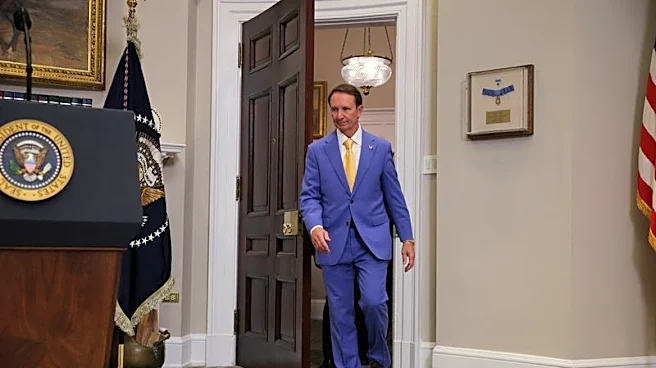
for anti-abortion advocates. The ruling stems from a lawsuit filed by Louisiana against the FDA, challenging the agency's rule that allowed the distribution of abortion pills via telehealth and mail. The court's decision is in effect while the case continues, and it has prompted Danco Laboratories, a manufacturer of mifepristone, to file an emergency motion for a pause to seek a Supreme Court opinion. The ruling has significant implications for access to abortion, particularly affecting rural communities and those with limited resources.
Why It's Important?
The court's decision significantly impacts access to abortion and miscarriage care across the United States. By reinstating the in-person requirement, the ruling creates barriers for individuals seeking abortion pills, particularly in states with strict abortion bans. This decision could lead to increased travel burdens for those seeking abortions, disproportionately affecting rural communities, low-income individuals, and marginalized groups. The ruling also challenges the FDA's authority and could set a precedent for future legal battles over medication regulations. The decision reflects ongoing tensions between state and federal regulations on abortion access, highlighting the broader national debate on reproductive rights.
What's Next?
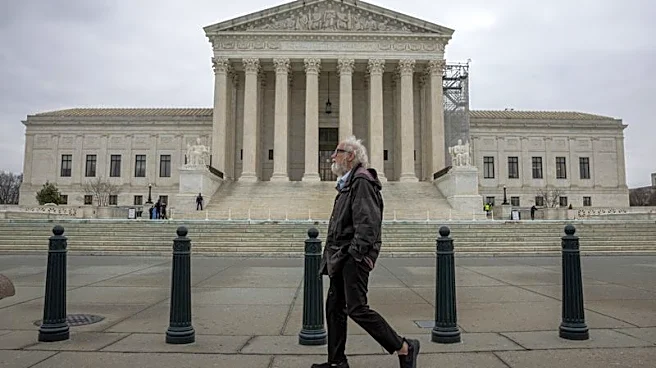
The ruling is expected to be appealed to the Supreme Court, which previously upheld access to mifepristone in a separate case. The outcome of this appeal could have far-reaching implications for abortion access nationwide. In the meantime, telehealth providers and clinics may need to adjust their practices to comply with the new requirements, potentially leading to disruptions in service. Advocacy groups and legal experts anticipate continued legal challenges and public debate over the regulation of abortion pills. The decision may also prompt legislative responses at both state and federal levels as stakeholders seek to navigate the evolving legal landscape.