







What's Happening?
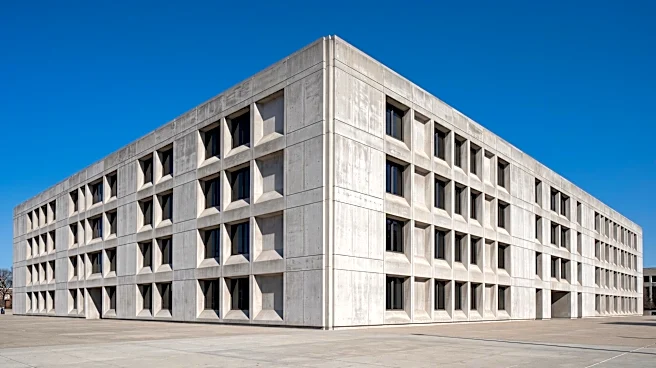
Lawmakers from Illinois and California have introduced legislation to prevent the National Archives and Records Administration (NARA) from closing its facilities in Chicago and San Francisco/San Bruno. NARA had previously announced plans to close the Chicago facility
on the Southwest Side and the San Francisco/San Bruno facility, as well as move temporary records from the Seattle Records Center. The agency informed its employees in June that these closures and relocations would occur over the next few years. Many of the records housed in the Chicago facility, which include federal court cases, maritime records for the Great Lakes region, and Bureau of Indian Affairs documents, have not been digitized and are only accessible in person. U.S. Rep. Jesús “Chuy” García, whose district includes the Chicago NARA building, sent a letter to Bradford P. Wilson, archivist of the United States, urging a reversal of the decision and requesting NARA's rationale. The letter, signed by twenty members of the U.S. House and Senate, including Illinois Senators Dick Durbin and Tammy Duckworth, questioned the cost savings, the moving timeline, and the extent of underutilized space at the facility.
Why It's Important?
The proposed closures and relocations of National Archives facilities have significant implications for public access to historical and personal records. The Chicago facility, for instance, serves researchers, students, and genealogists who rely on its physical archives for census, naturalization, and other vital records. The potential relocation of these documents, some of which are not digitized, could severely restrict access for communities in the Midwest and West Coast, forcing individuals to travel across the country to retrieve information. Lawmakers argue that this 'hasty, ill-conceived move' could have profoundly harmful consequences, including limiting federal agencies' access to crucial records and potentially damaging the records during transit. The legislation introduced by Senators Durbin and Duckworth, and companion bills in the House, aim to ensure congressional oversight before NARA can close or significantly restrict access to regional facilities, highlighting concerns about the preservation and accessibility of national history and individual rights.
What's Next?
The introduced legislation, known as the National Archives Protection Act, seeks to require congressional approval before NARA can proceed with closing or significantly restricting access to existing regional facilities. While the bills currently have only Democratic sponsors, advocates like Gretchen Neidhardt of the Chicago Area Archivists emphasize that the closures would affect everyone, regardless of political affiliation, particularly those seeking employment or benefit-related records. NARA has not yet responded to requests for comment regarding the legislative efforts. The agency previously detailed that the National Archives at Kansas City is slated to receive a bulk of Chicago's records, including court and U.S. military documents, while Boston's NARA facility would house records from the Railroad Retirement Board. The legislative push on Capitol Hill indicates a continued effort to challenge NARA's decision and ensure the accessibility of these historical documents.
Beyond the Headlines
The debate surrounding the closure of National Archives facilities extends beyond mere logistical concerns, touching upon fundamental issues of historical preservation, democratic access, and regional identity. The physical presence of archives in communities allows for direct engagement with primary sources, fostering local historical research, genealogical discovery, and a deeper understanding of national narratives. The digitization of records, while beneficial, cannot fully replace the experience and accessibility of physical archives, especially for unique or fragile documents. The potential loss of these regional centers could disproportionately affect underserved communities and those without the resources to travel to distant locations. This situation underscores the ongoing tension between administrative efficiency and the public's right to access its collective memory, raising questions about the long-term stewardship of national heritage and the role of government in facilitating historical inquiry for all citizens.