

What's Happening?
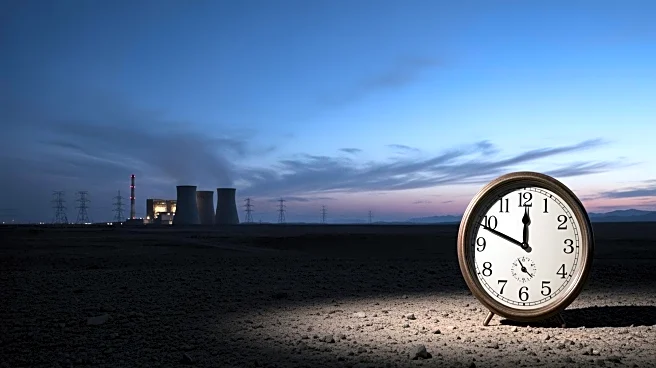
President Trump announced a five-day delay in planned U.S. military strikes on Iran's power and energy infrastructure. This decision follows what he described as 'very good and productive conversations' between Washington and Tehran over the weekend.
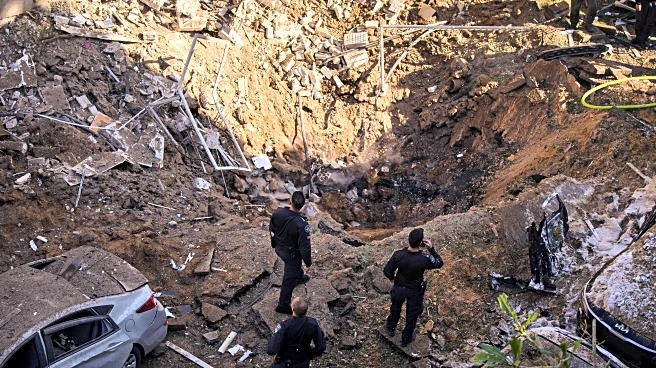
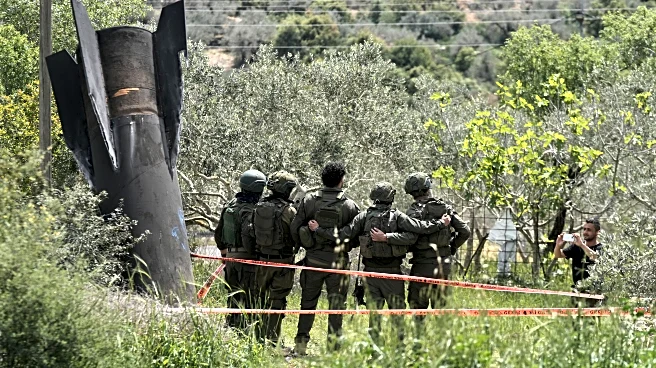
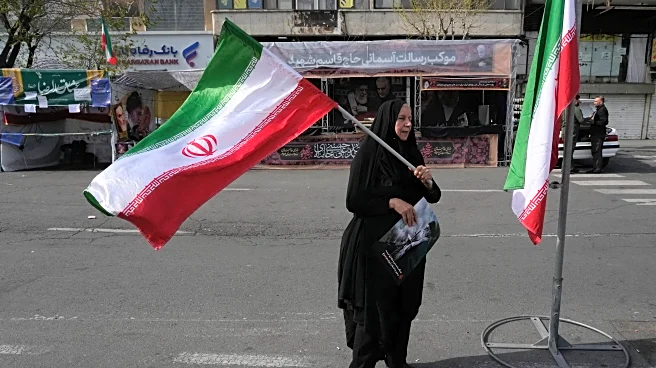
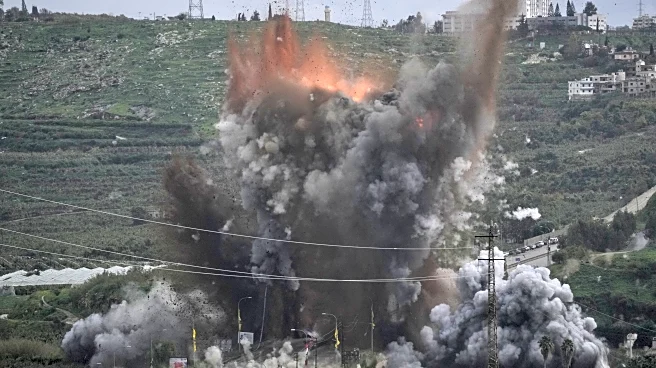
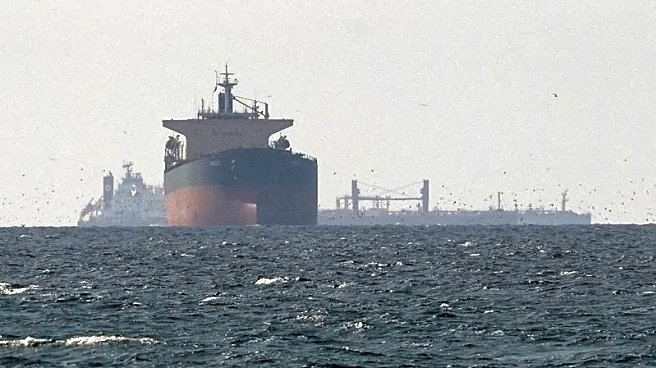
The discussions aim to resolve hostilities in the Middle East, which have been ongoing for three weeks. Previously, President Trump had issued a 48-hour ultimatum to Iran to reopen the Strait of Hormuz, threatening to target Iran's power plants if the demand was not met.
Why It's Important?
The delay in military action signifies a potential de-escalation in U.S.-Iran tensions, which could have significant implications for regional stability and global energy markets. The Strait of Hormuz is a critical chokepoint for global oil shipments, and its closure could disrupt oil supplies and increase prices worldwide. The talks suggest a diplomatic path forward, which could prevent further military conflict and its associated economic and humanitarian costs. Stakeholders in the energy sector, as well as international diplomatic communities, are closely monitoring these developments.
What's Next?
The next steps will likely involve continued diplomatic engagement between the U.S. and Iran to reach a comprehensive resolution. The international community, including allies and regional partners, may play a role in facilitating these discussions. The outcome of these talks could influence future U.S. foreign policy in the Middle East and impact global energy security. Observers will be watching for any changes in Iran's stance on the Strait of Hormuz and any further U.S. military or diplomatic actions.