


What's Happening?
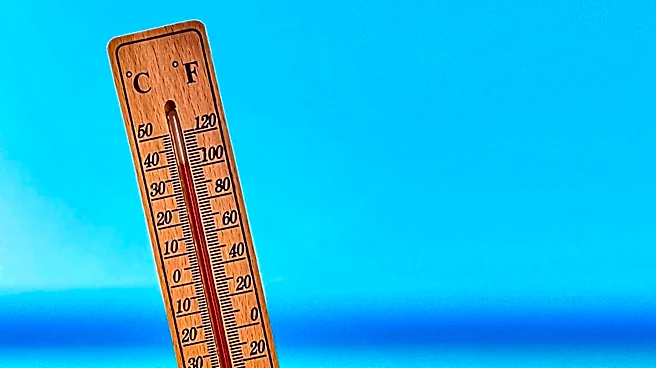
Jeff Goodell, a journalist specializing in climate change, warns that cities are not equipped to handle the increasing frequency of extreme heat events. In his book 'The Heat Will Kill You First', Goodell highlights the urgent need for urban areas to adapt
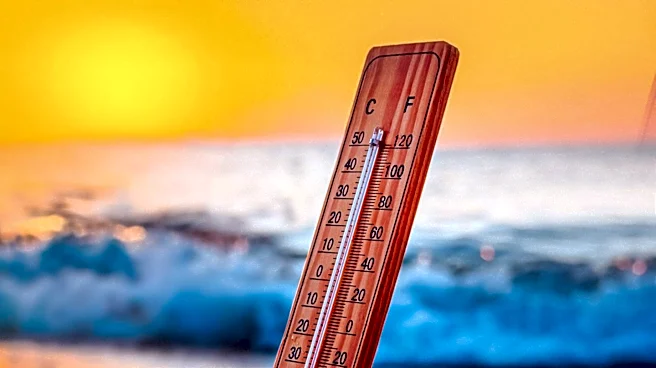
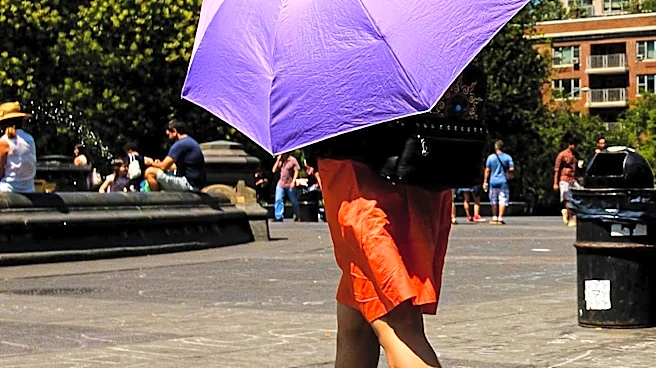
to a rapidly warming climate. He points out that traditional city planning, which assumed a stable climate, is now obsolete. Goodell emphasizes the importance of redesigning cities to be more thermally efficient, incorporating green spaces, and reducing reliance on air conditioning. His warning comes as many regions, including Romania, face severe heatwaves, underscoring the immediate need for urban adaptation strategies.
Why It's Important?
Goodell's warning is crucial as it underscores the growing threat of climate change to urban environments. As cities continue to expand, the need for sustainable and resilient infrastructure becomes more pressing. The failure to adapt could lead to increased health risks, economic losses, and social inequalities. By highlighting the inadequacies of current urban planning, Goodell's insights push policymakers and urban planners to prioritize climate resilience. This shift is essential not only for mitigating the impacts of extreme heat but also for ensuring the long-term sustainability of urban areas.
What's Next?
Cities worldwide are beginning to implement measures to combat extreme heat, such as planting trees, creating urban gardens, and using reflective materials in construction. However, these efforts need to be scaled up significantly to meet the challenges posed by climate change. Policymakers must prioritize investments in climate-resilient infrastructure and develop comprehensive strategies to protect vulnerable populations. As awareness of the issue grows, it is likely that more cities will adopt innovative solutions to enhance their resilience against extreme weather events.