



What's Happening?
Penguin Random House, in collaboration with educators, librarians, and booksellers, is actively resisting widespread book bans across the United States by implementing various strategies to provide access to challenged books. This initiative includes
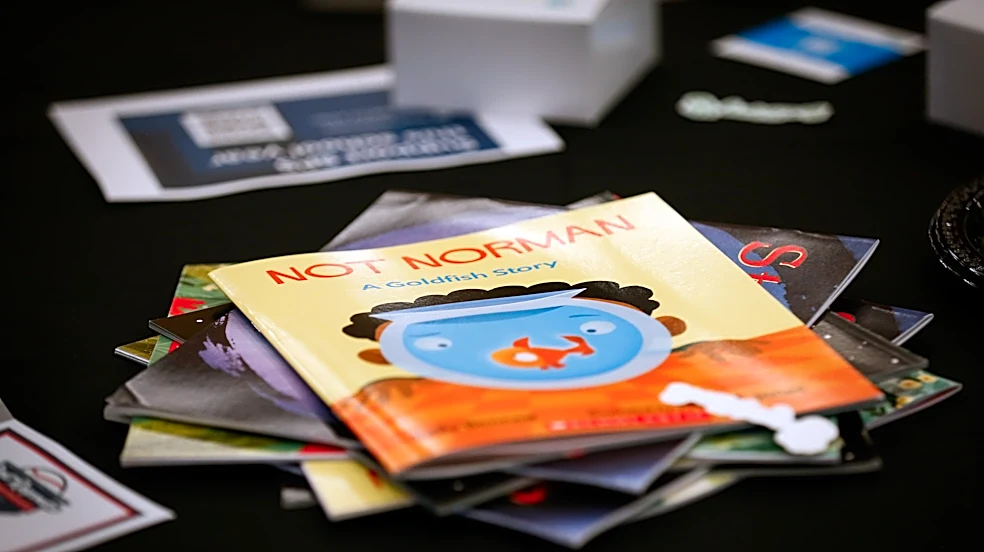
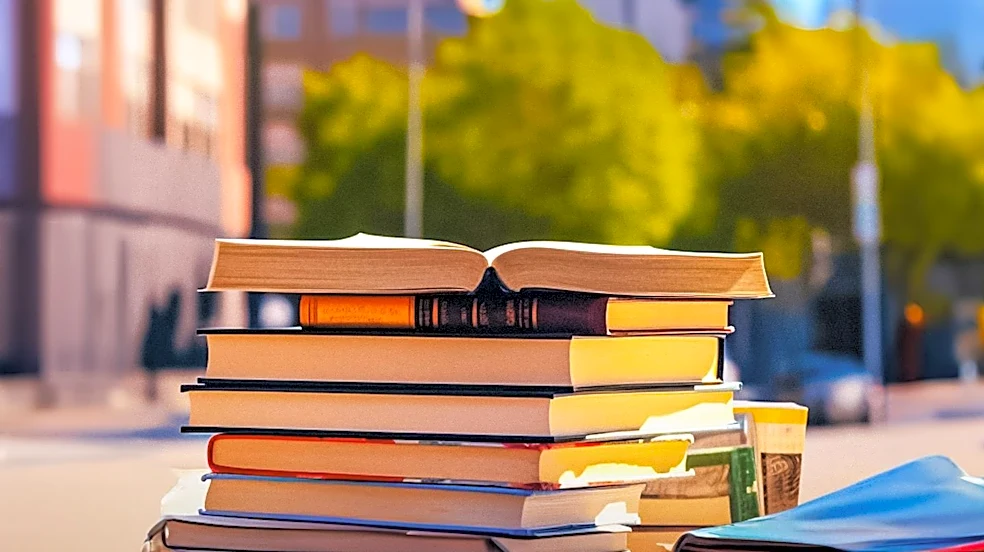
efforts like Penguin Random House’s 'Banned Wagon,' a mobile unit that distributes and displays frequently banned books nationwide. Additionally, teachers are creating 'secret shelves' for students to borrow banned young adult titles, and organizations like the 1619 Freedom School are distributing books on Black history and systemic inequalities. Public libraries, such as the Brooklyn Public Library with its 'Books Unbanned' program, offer free digital library cards to teens across the U.S. to access digital versions of banned books. The Digital Public Library of America (DPLA) has also partnered with The Palace Project to provide a 'Banned Books Club' collection of over 1300 titles through its app. Local businesses and booksellers are also stepping in, often partnering with parents and nonprofits, to fill community needs by providing access to these essential stories.
Why It's Important?
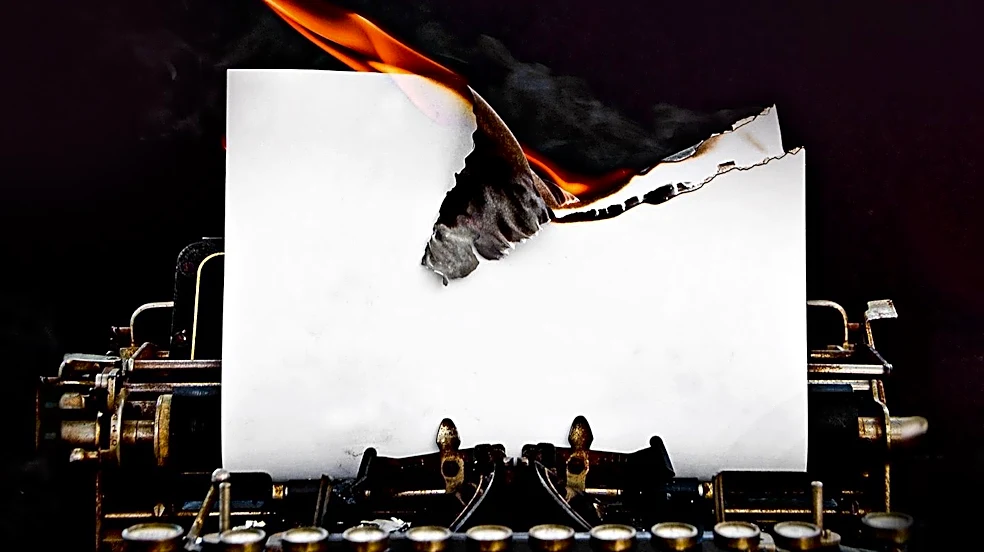
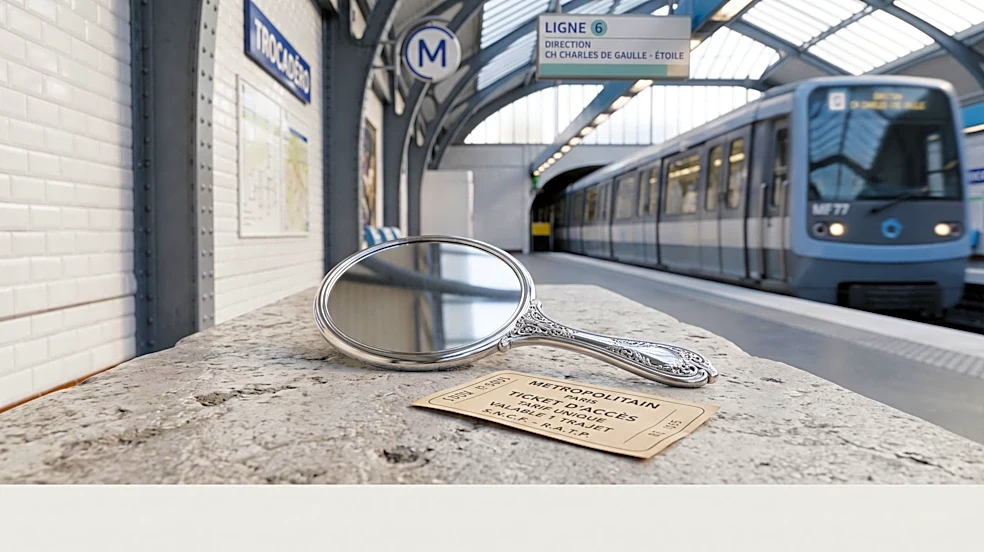
These efforts are crucial for preserving intellectual freedom and ensuring that young people have access to diverse perspectives and stories that reflect their identities and experiences. Book bans, often driven by special interest groups and politicians, limit students' choices and can hinder their ability to engage with complex social issues. Providing access to these books supports research indicating that young people read more when they have greater choice in their reading material and that personal recommendations significantly influence their reading habits. The initiative also highlights the importance of stories as 'mirrors, windows, and sliding glass doors,' allowing young readers to see themselves reflected, understand others' experiences, and explore different worlds. By resisting censorship, these groups are upholding the fundamental right to read and fostering critical thinking and empathy among students, particularly those whose lived experiences are often represented in challenged literature.
What's Next?
The ongoing resistance to book banning is likely to continue evolving, with more creative strategies emerging to circumvent restrictions. Educators and advocates will likely continue to leverage digital platforms and community partnerships to ensure access to challenged materials. We can anticipate further collaboration between publishers, libraries, and local businesses to expand the reach of programs like 'Books Unbanned' and the 'Banned Books Club.' There may also be increased advocacy efforts to challenge the legality and ethical implications of book bans in schools and public libraries. The debate over literary censorship is expected to remain a prominent issue in educational and political spheres, potentially leading to new legislative actions or legal challenges from both proponents and opponents of book bans. The focus will remain on empowering students with choice and access to a wide range of literature.
Beyond the Headlines
The broader implications of this resistance extend to fundamental questions about democratic values, intellectual freedom, and the role of education in a diverse society. The pushback against book bans underscores a societal tension between protecting children and fostering critical engagement with challenging ideas. Ethically, the debate touches on who has the authority to determine what is appropriate for young minds and whether such decisions should be centralized or left to individual choice. Legally, these actions may prompt further challenges to existing censorship laws, potentially setting new precedents for intellectual freedom in educational institutions. Culturally, the movement highlights the power of literature to shape identity and understanding, particularly for marginalized youth. The long-term shift could be a more robust defense of diverse narratives in education, fostering a generation that is more resilient to censorship and more appreciative of varied perspectives.