

What's Happening?
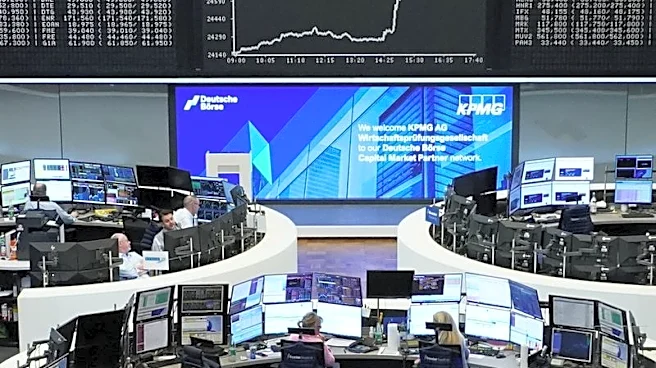
The UK has warned that the price shock from the Iran conflict could last for more than eight months after the conflict ends. The closure of the Strait of Hormuz has disrupted supplies, leading to increased prices for food, petrol, energy, and plane tickets.
The UK government is assessing measures to mitigate the impact on consumers. The conflict has caused global energy prices to soar, with significant implications for inflation and economic stability. The situation highlights the geopolitical risks that can affect global supply chains and economic growth.
Why It's Important?
The prolonged price shock from the Iran conflict underscores the interconnectedness of global markets and the impact of geopolitical tensions on economic stability. The disruption of supplies through the Strait of Hormuz has led to increased energy prices, contributing to inflationary pressures and affecting industries reliant on energy. The situation highlights the importance of diplomatic efforts to resolve tensions and restore stability in the region, which is crucial for maintaining energy security and economic growth. The UK government's response to the crisis will be closely watched by stakeholders, as it could influence global economic policies and market dynamics.
What's Next?
The UK government is exploring measures to mitigate the impact of the price shock on consumers, including potential energy bill cuts. The prolonged closure of the Strait of Hormuz will likely lead to further supply disruptions and price increases, affecting global markets. Stakeholders will need to monitor developments closely, as any progress in talks could influence energy prices and market dynamics. The situation underscores the importance of international cooperation in addressing geopolitical risks and ensuring economic stability.