


What's Happening?
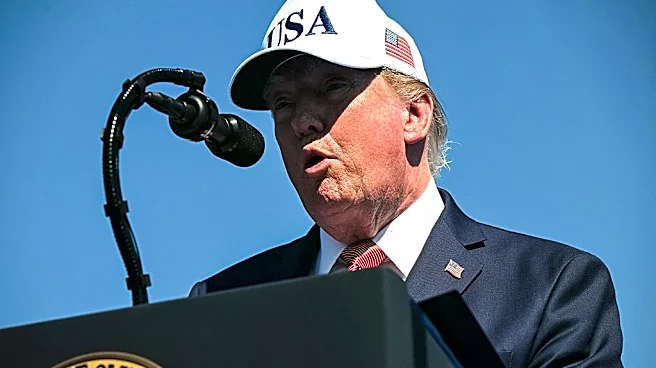
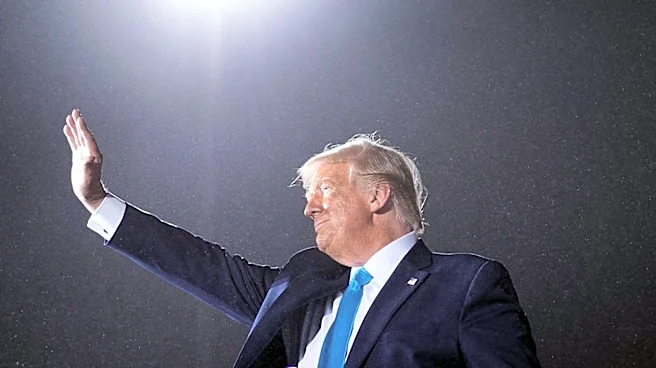
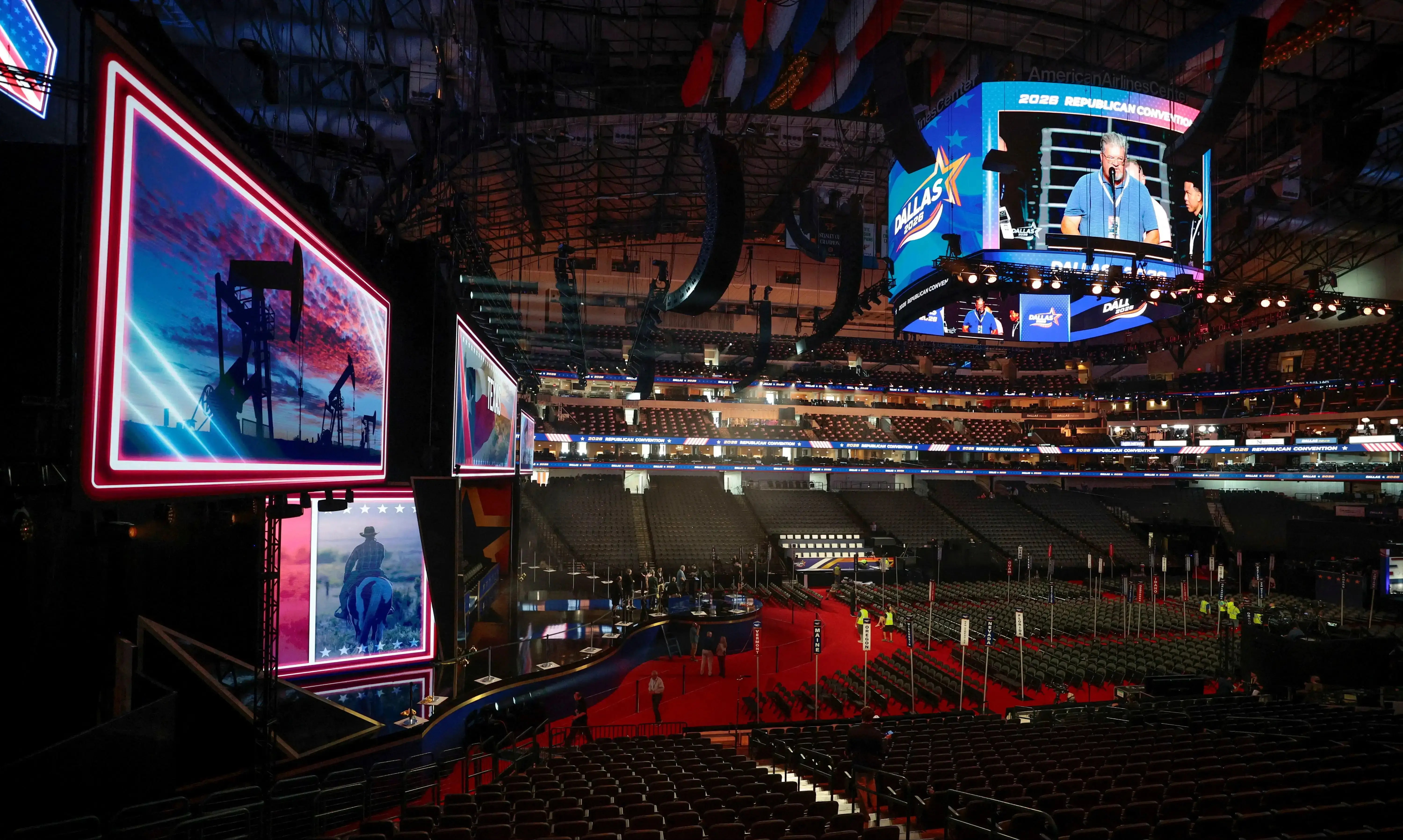
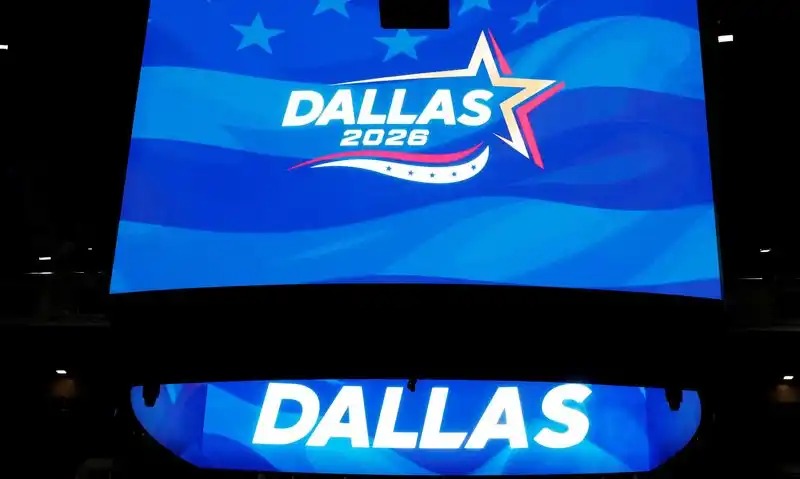
President Trump and the Republican Party are preparing for a two-day midterm election convention in Dallas, Texas, starting on Wednesday. This event is being held as Republicans face a potentially difficult midterm election. The primary objective of the convention is for President Trump to
reshape the narrative, highlight his accomplishments during his second term, and portray Democrats as 'radical, dangerous Socialists.' The convention aims to regain control of the election discourse and energize the Republican base. This gathering is considered a rare occurrence for a midterm election, indicating the urgency within the party to influence the upcoming vote.
Why It's Important?
This midterm convention is a critical strategic move for President Trump and the Republican Party. Midterm elections often serve as a referendum on the sitting president's performance, and a challenging outlook for Republicans could significantly impact the balance of power in Congress. By hosting this convention, President Trump is attempting to directly influence public opinion and mobilize voters, potentially mitigating anticipated losses. The narrative he aims to push—focusing on his achievements and criticizing Democrats—is designed to rally his base and persuade undecided voters. The success or failure of this convention in shifting public sentiment could have substantial implications for the Republican Party's performance in the upcoming elections and the political landscape for the remainder of President Trump's term.
What's Next?
Over the two days of the convention, President Trump will deliver speeches and engage with attendees, aiming to articulate his vision and critique of the Democratic platform. The immediate aftermath will involve assessing media coverage and public reaction to the convention's messages. The effectiveness of this strategy will be measured by its impact on polling numbers, voter enthusiasm, and ultimately, the election results. Political analysts will closely watch whether the convention successfully changes the narrative or if it backfires, potentially alienating moderate voters. The convention's outcome could also influence the allocation of resources and campaign strategies for the remaining weeks leading up to the midterm elections.
Beyond the Headlines
The decision to hold a midterm convention reflects a broader trend in modern U.S. politics where presidential figures continue to play a central role in party messaging and campaign efforts, even outside of presidential election years. This event underscores the personalization of political campaigns and the enduring influence of President Trump within the Republican Party. It also highlights the increasing polarization of the political landscape, with strong rhetoric used to define opposing parties. The convention serves not only as a campaign event but also as a platform to reinforce party identity and ideological divisions. The long-term implications could include a further entrenchment of partisan lines and a continued focus on presidential figures in shaping electoral outcomes, even when they are not directly on the ballot.