
What's Happening?
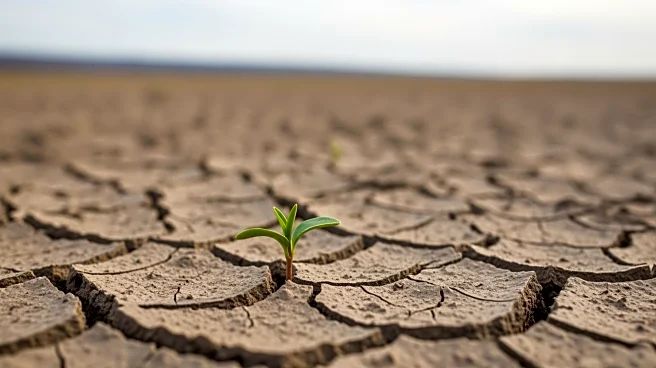
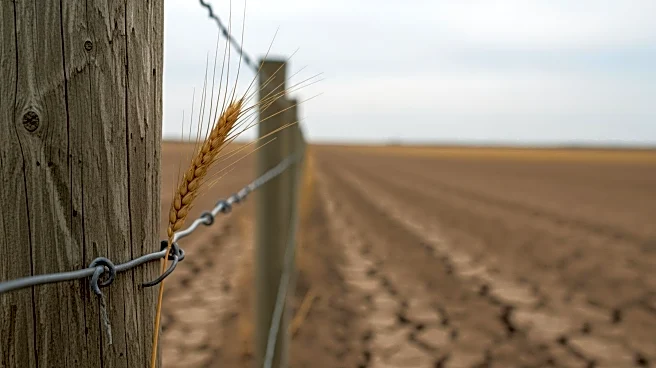
American farmers are experiencing significant economic challenges as production costs rise and commodity prices fall, despite federal aid efforts. According to the American Farm Bureau Federation, net
farm income is projected to decrease by 4.4% in 2026, continuing a multi-year downturn. The U.S. Department of Agriculture announced a $12 billion Farmer Bridge Assistance Program in December 2025 to support producers affected by market disruptions. However, these funds are insufficient to cover the gap between increasing expenses and declining revenues. External factors such as extreme weather and supply chain disruptions have exacerbated the situation, leading to higher input costs for fertilizer, fuel, and labor. Many farmers are struggling to reach break-even prices, with corn needing to sell for over $5 per bushel to be profitable, while current market rates are around $4.10.
Why It's Important?
The economic challenges facing U.S. farmers have broader implications for the agricultural sector and rural communities. The financial strain is pushing many family-run operations toward bankruptcy, affecting rural economies and job markets. The situation highlights the need for more comprehensive support and long-term solutions beyond temporary federal aid. Economists suggest reforms such as enhancing crop insurance frameworks and negotiating better trade deals to boost exports. The ongoing economic squeeze threatens the stability of rural communities, with potential job losses in agriculture-related sectors and tightening credit lines from banks.
What's Next?
Looking ahead, the agricultural sector's outlook depends on factors like weather patterns and international relations. There are calls for additional aid and structural changes to prevent recurring crises. Some farmers are exploring sustainable practices and agritourism to diversify income streams, but these require capital that many lack. Advocacy groups are pushing for a new farm bill with robust safety nets and demand-side solutions, such as biofuel expansions, to counter market oversupply. The sector's future will test the effectiveness of these efforts, with farmers' resilience and economic recovery at stake.