



What's Happening?
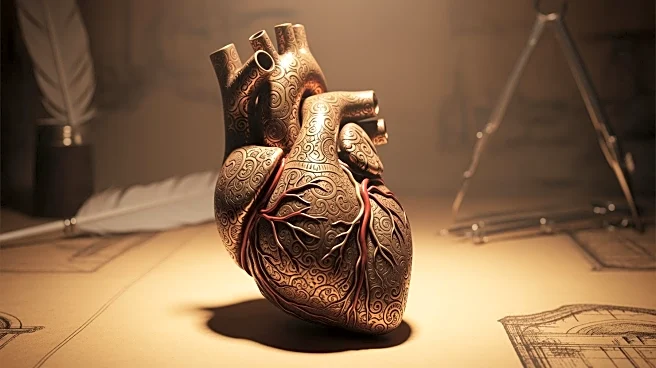
A prominent cardiothoracic surgeon, who has repaired over 3,000 mitral valves, attributes a significant shift in his surgical approach to an encounter with Leonardo da Vinci's anatomical drawings. In 1977, while training at Charing Cross Hospital in London,
the surgeon visited an exhibition at the Royal Academy showcasing da Vinci's work. The detailed and humanistic nature of the drawings inspired him to rethink the conventional methods of mitral valve surgery, which often imposed solutions rather than working with the body's natural physiology. This experience led him to adopt a more physiological approach to heart surgery, focusing on preserving the heart's natural movement, especially beneficial for younger, active patients.
Why It's Important?
This revelation underscores the profound impact that art can have on scientific and medical practices. By integrating artistic insights into his surgical methods, the surgeon was able to enhance the effectiveness and natural outcomes of heart surgeries. This approach not only improved patient outcomes but also challenged the traditional, didactic methods prevalent in the medical field. The surgeon's story highlights the potential for interdisciplinary learning, where art and science can mutually benefit and drive innovation. It also emphasizes the importance of looking beyond conventional techniques to improve medical practices, potentially influencing future generations of surgeons to adopt a more holistic view of medicine.
What's Next?
The surgeon continues to advocate for the integration of art and science, inviting artists to work alongside medical professionals and encouraging students to adopt a broad, creative approach to medicine. His work with the charity Chain of Hope, providing life-saving surgeries for children in Ethiopia, exemplifies the global impact of his innovative methods. As he shares his findings through publications and exhibitions, there is potential for wider adoption of his techniques in the medical community, fostering a new era of heart surgery that respects and utilizes the body's natural design.
Beyond the Headlines
The surgeon's journey illustrates the broader cultural and ethical implications of blending art with science. It challenges the medical community to reconsider the rigid structures of traditional practices and embrace a more flexible, patient-centered approach. This story also raises questions about the role of creativity in scientific fields and how it can lead to breakthroughs that improve human health and well-being. By drawing inspiration from historical art, the surgeon not only advanced his field but also demonstrated the timeless relevance of artistic insights in understanding and enhancing human life.