


What's Happening?
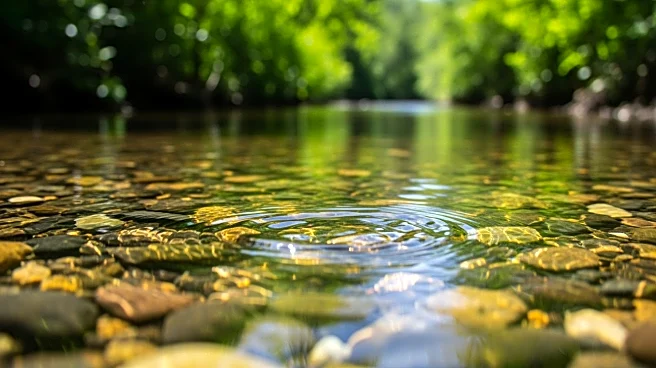
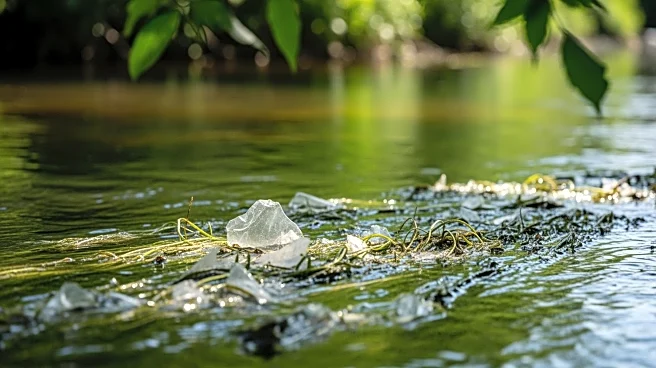
Rivers, vital natural corridors connecting mountainous regions to oceans, are increasingly threatened by plastic pollution. These waterways facilitate the migration of species like the European eel and Atlantic salmon and transport nutrients and organic
material downstream. However, they are now carrying significant volumes of plastic waste, which negatively impacts freshwater habitats. The presence of microplastics in rivers is particularly concerning, as they interfere with natural processes and are often mistaken for food by aquatic wildlife. This pollution can lead to bioaccumulation, where microplastics build up in the food chain, causing physiological issues in animals. The problem is exacerbated by poor wastewater management and surface runoff, which introduce plastics into river systems.
Why It's Important?
The impact of plastic pollution on rivers is profound, affecting biodiversity and ecosystem health. As plastics accumulate in river sediments and water columns, they pose a threat to aquatic life and, by extension, human health. The ingestion of microplastics by wildlife can lead to reduced reproductive success and other health issues, which may have cascading effects on food webs and biodiversity. Addressing this issue is crucial for preserving river ecosystems and the services they provide, such as water purification and habitat for diverse species. Efforts to mitigate plastic pollution include improving waste management practices, reducing plastic use, and enhancing recycling and reuse initiatives.